By Mikala Waldrup, SPP Environmental Programs Coordinator and Michael Zirpoli, SPP Ecological Programs and Workshop Manager
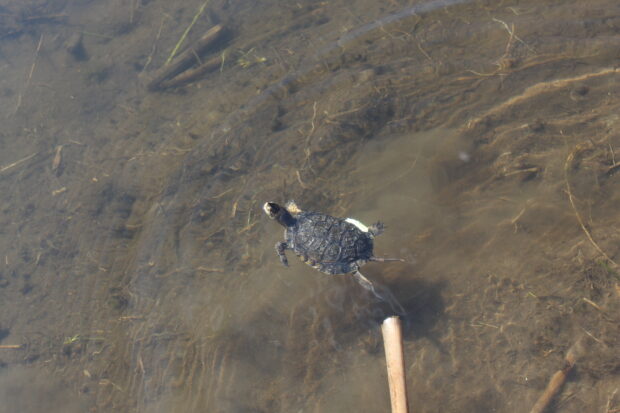
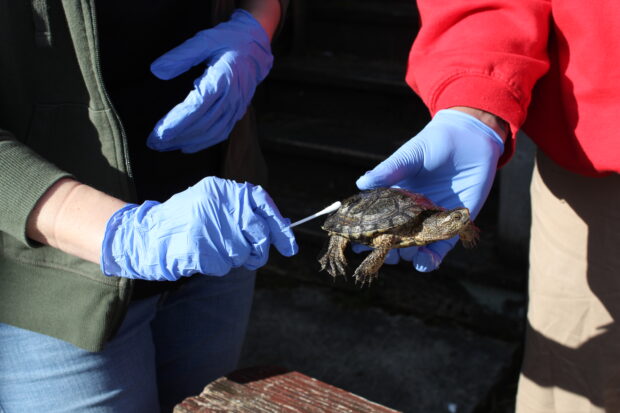
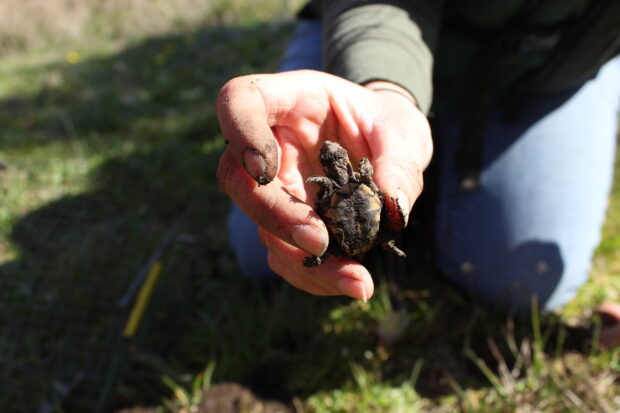
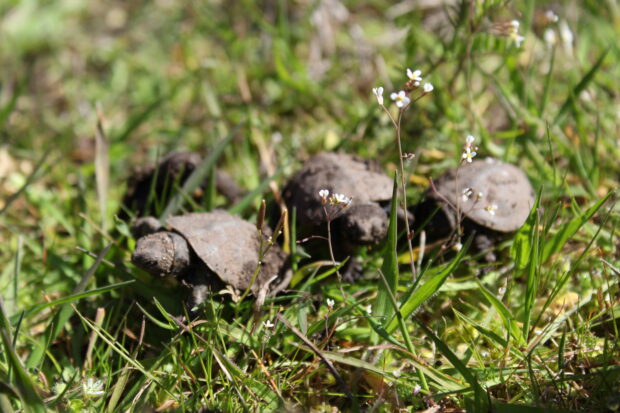
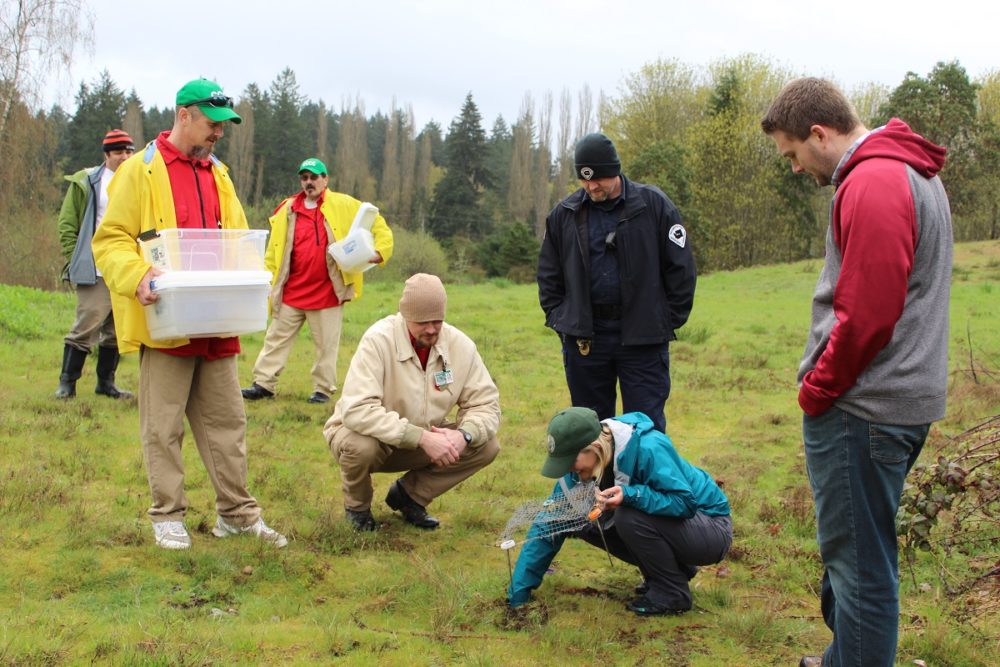
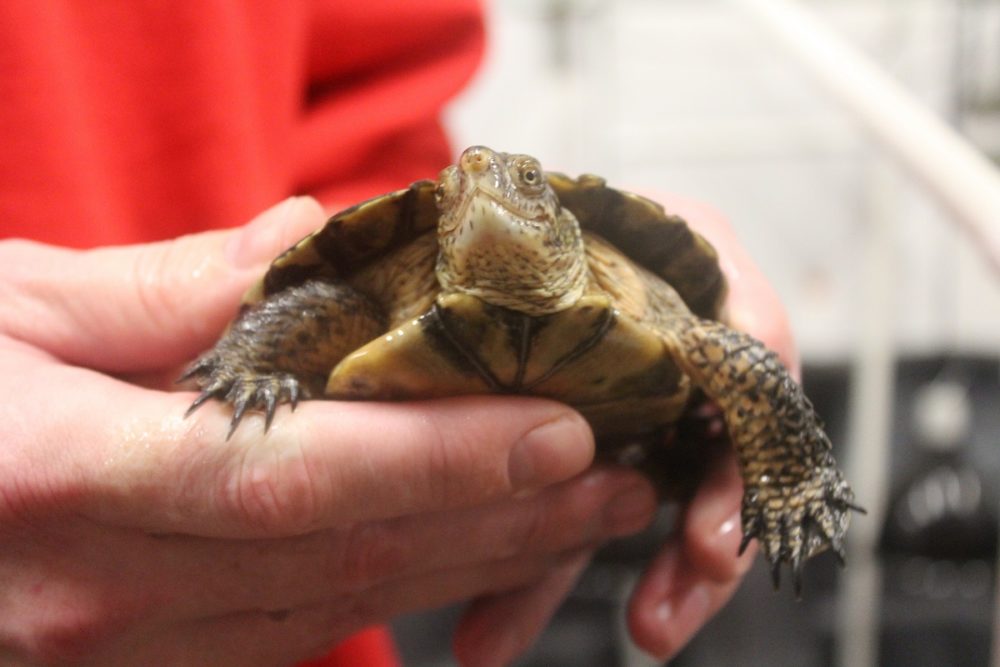
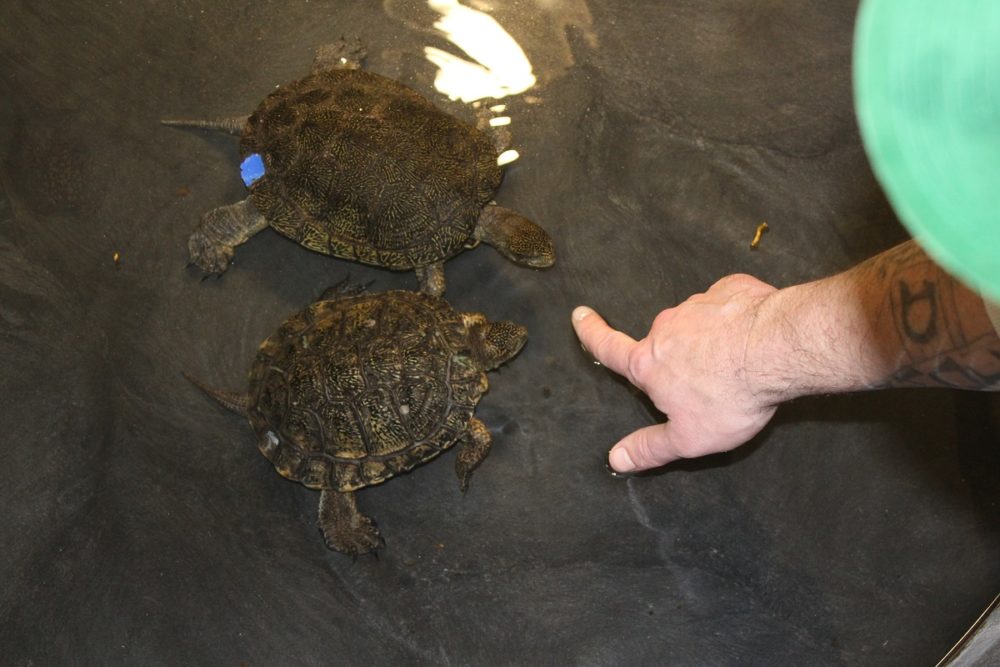
This season, the northwestern pond turtles (NWPT) in post treatment care at Cedar Creek Correction Center (CCCC) have a new routine: bath time. Turtles housed at CCCC are trapped by biologists from The Washington Department of Fish and Wildlife (WDFW) as part of a monitoring and rehabilitation effort focused on combatting a fungal-associated shell disease. This shell disease is thought to be caused by a keratin eating fungus known as Emydomyces testavorans that infect the NWPTs and create lesions and pitting on their shells. These lesions make parts of their normally hard shells soft and, if left untreated, can pose serious health risks.
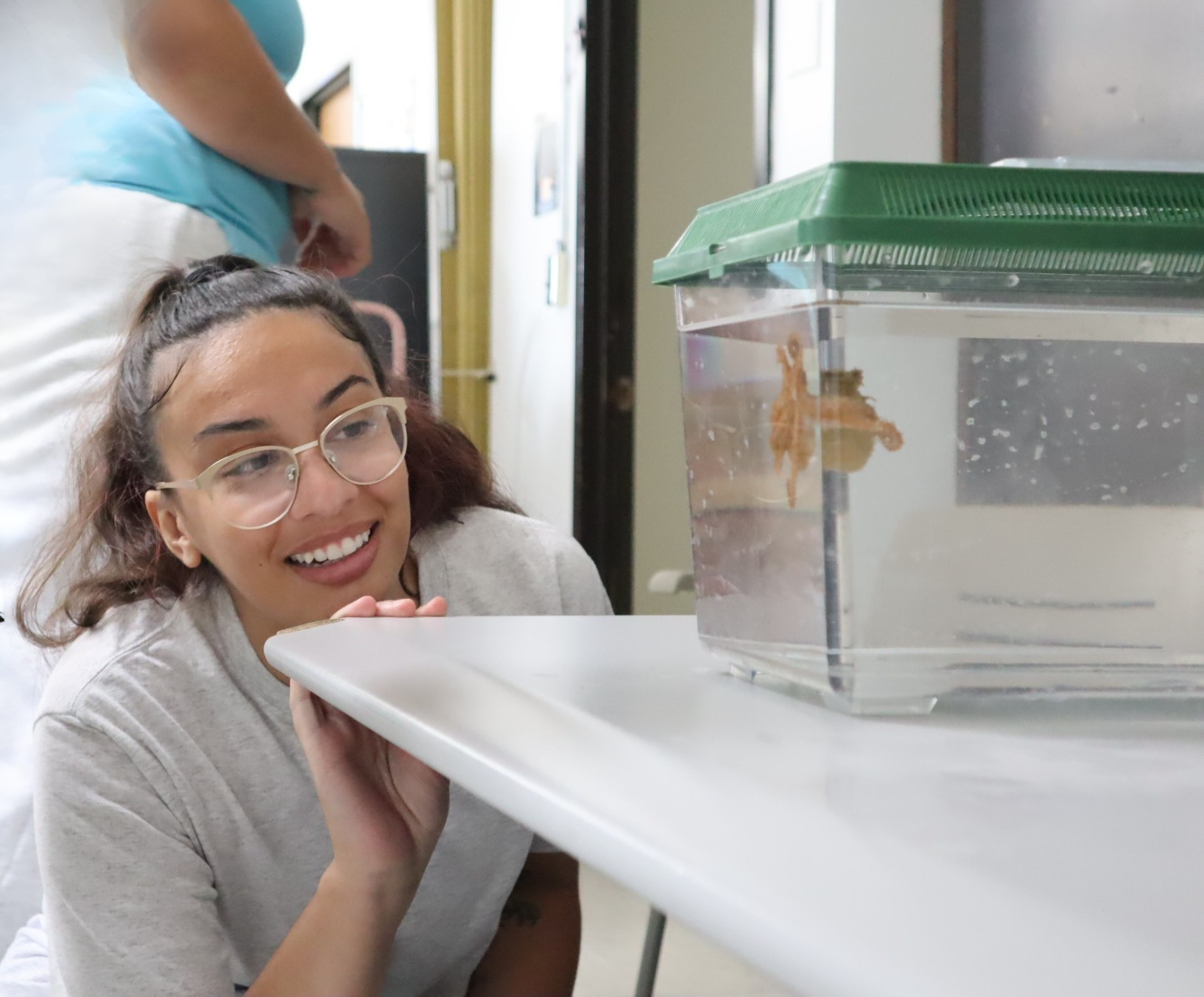
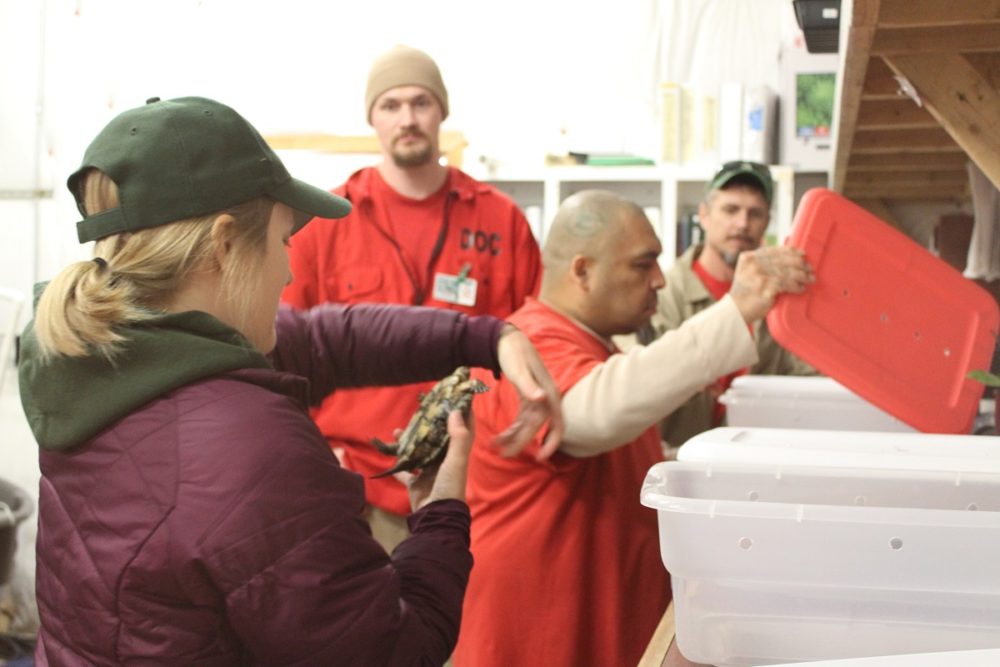
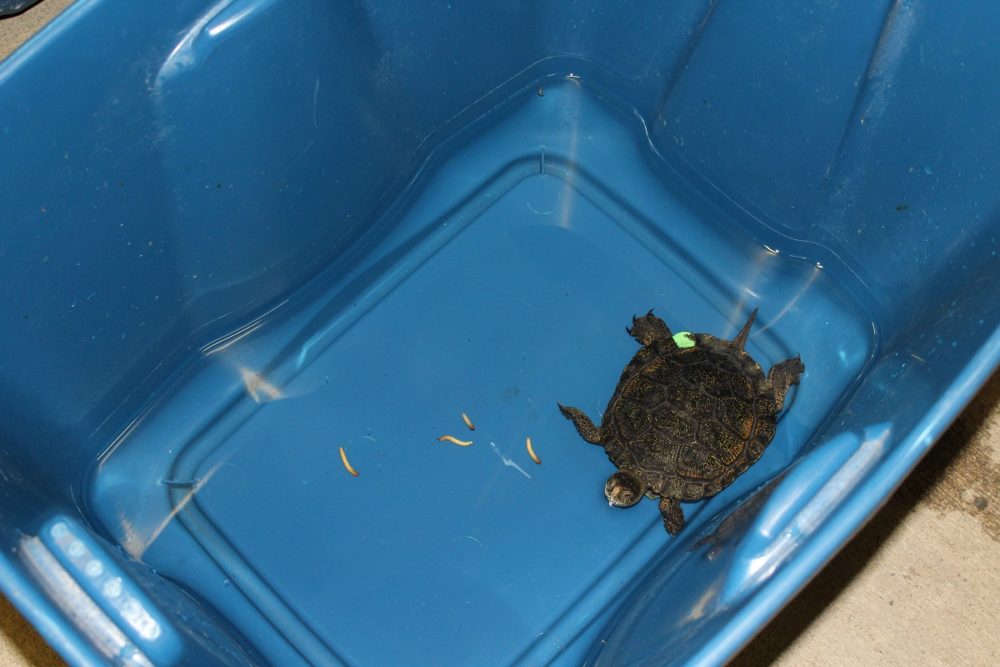
SPP is partnering with WDFW to pilot a less invasive treatment option for these turtles. Based on research from the University of Illinois Wildlife Epidemiology Lab, SPP is administering an anti-fungal treatment bath for the turtles. Three times a week turtles soak for 30 minutes in a terbinafine and water solution to coat them in the medicine, in hopes of clearing them of the fungal pathogen.
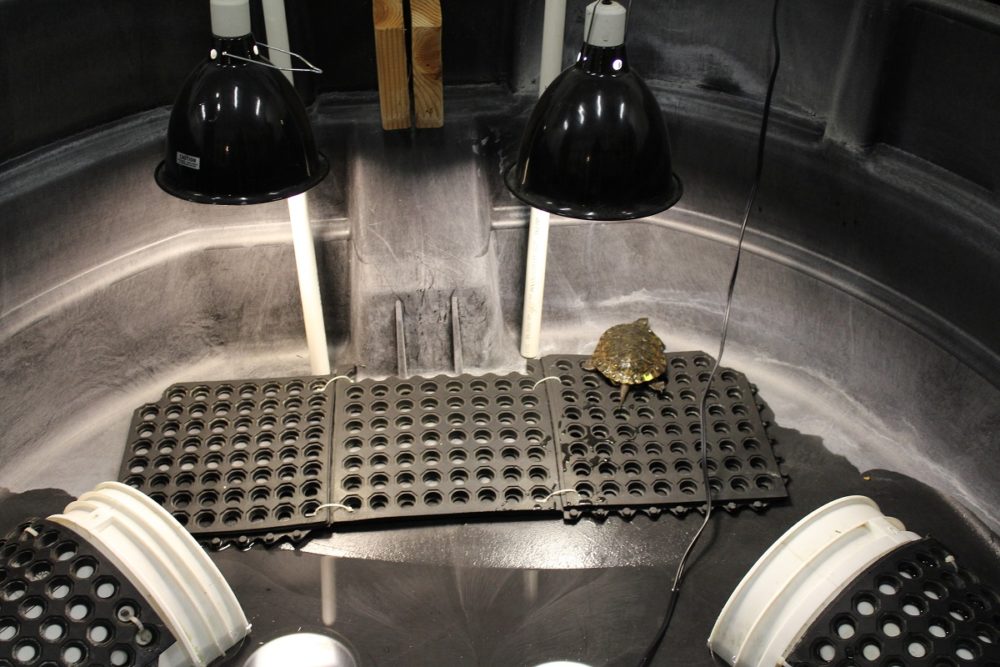
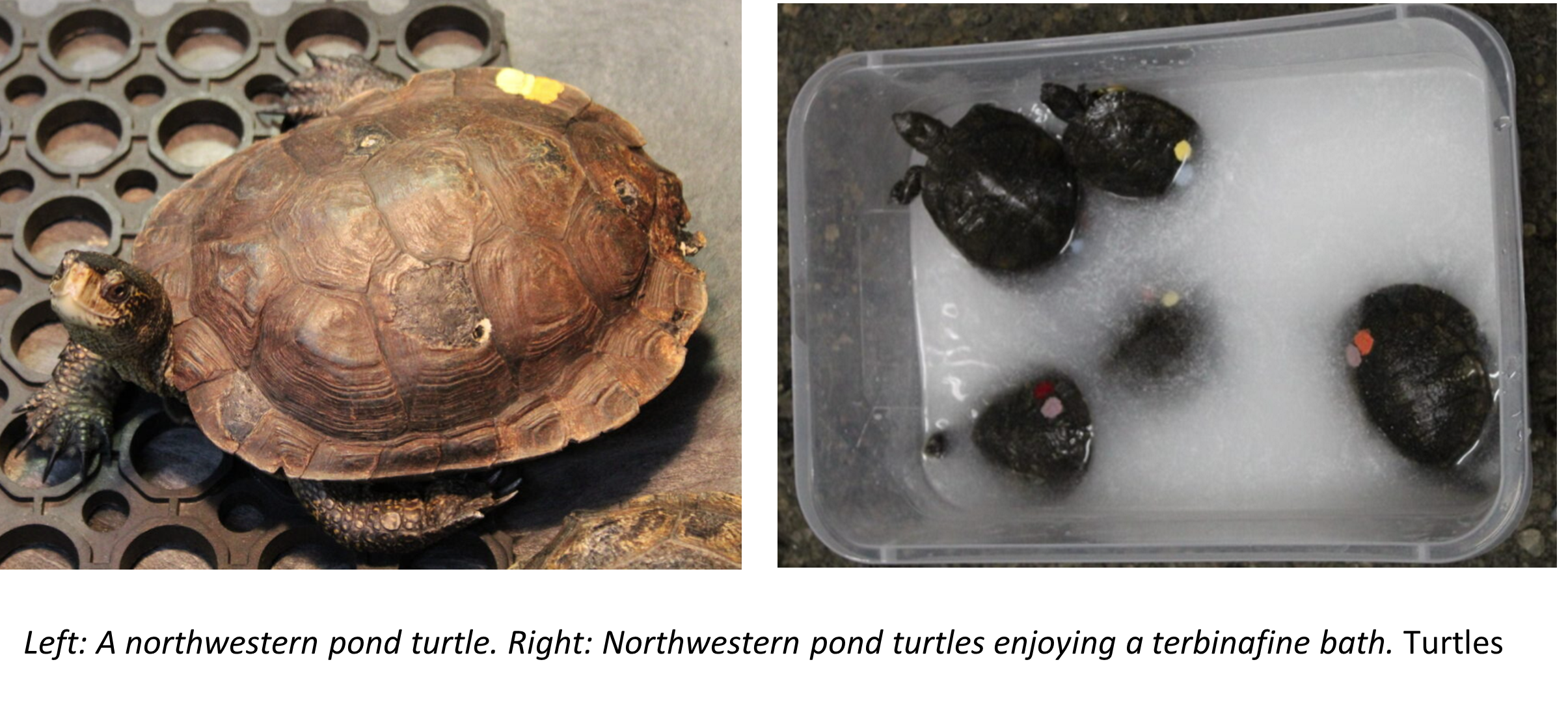 This season there are 10 sub-adult turtles and 12 adult turtles in care at Cedar Creek, all of which have tested positive for E. testavorens. The 10 sub-adult turtles came to CCCC in August of 2025 and have been taking baths 3 times a week since. These sub-adults are also being periodically tested for E. testavorens, to assess the effectiveness of the terbinafine bath treatment. In addition to taking terbinafine baths 3 times a week, the 12 adult turtles also received treatments similar to past years with surgical removal of portions of the shell most severely impacted by the shell disease. This treatment took place at the Progressive Animal Welfare Society (PAWS) in the fall and winter. In February, the first round of adult turtles were transferred to Cedar Creek Correction Center for long term care prior to their release back to their native ponds in the spring.
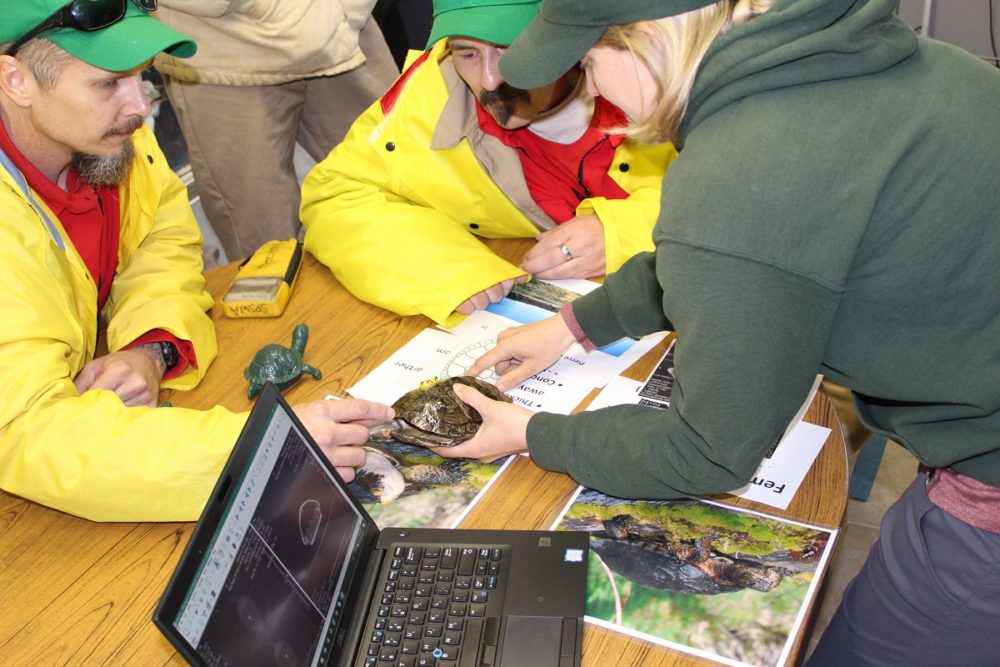
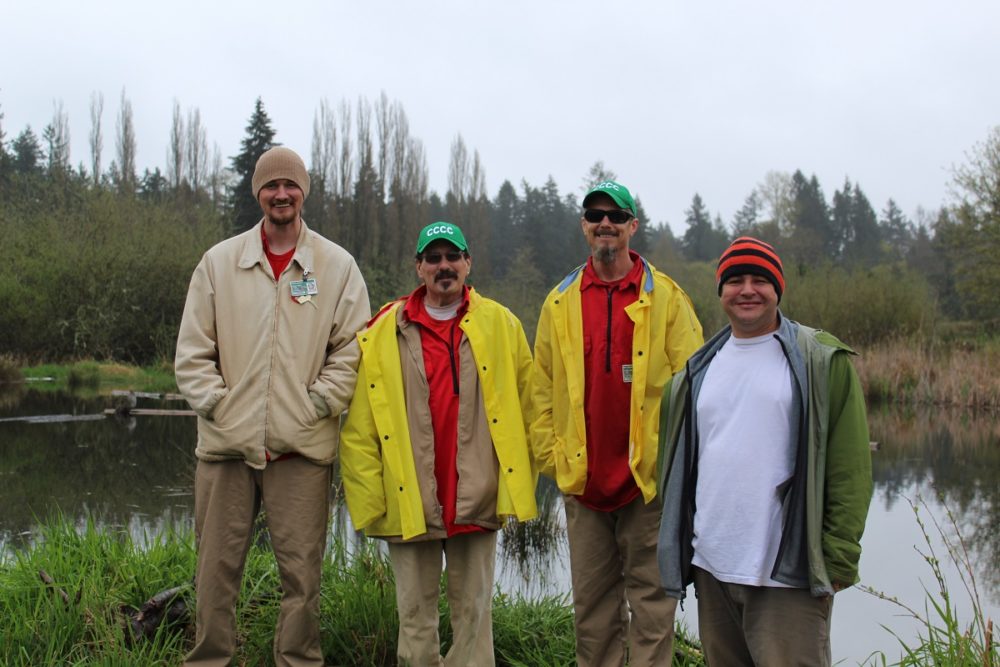
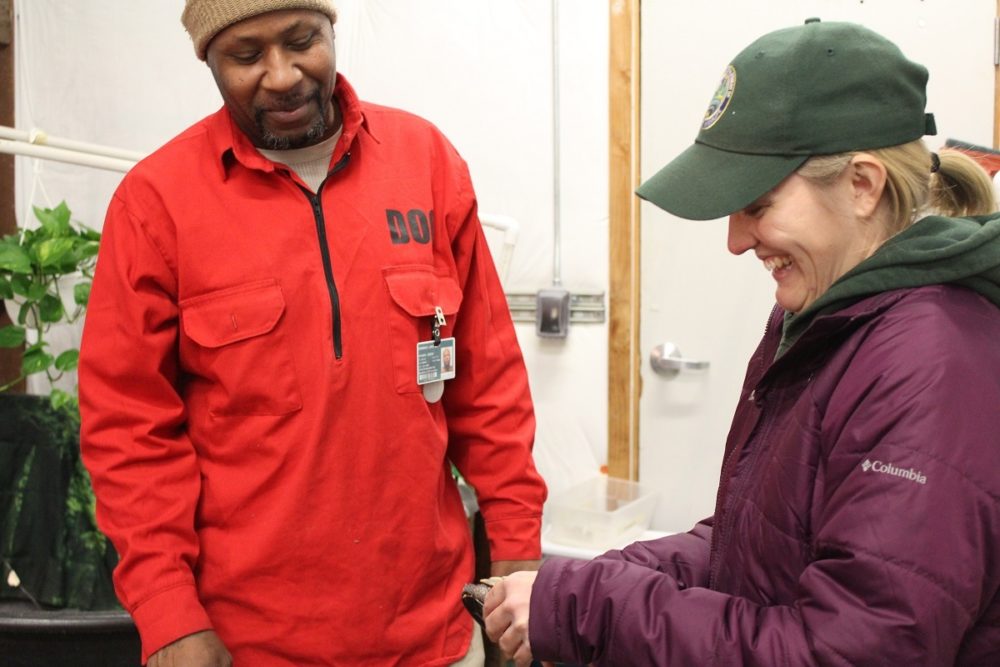
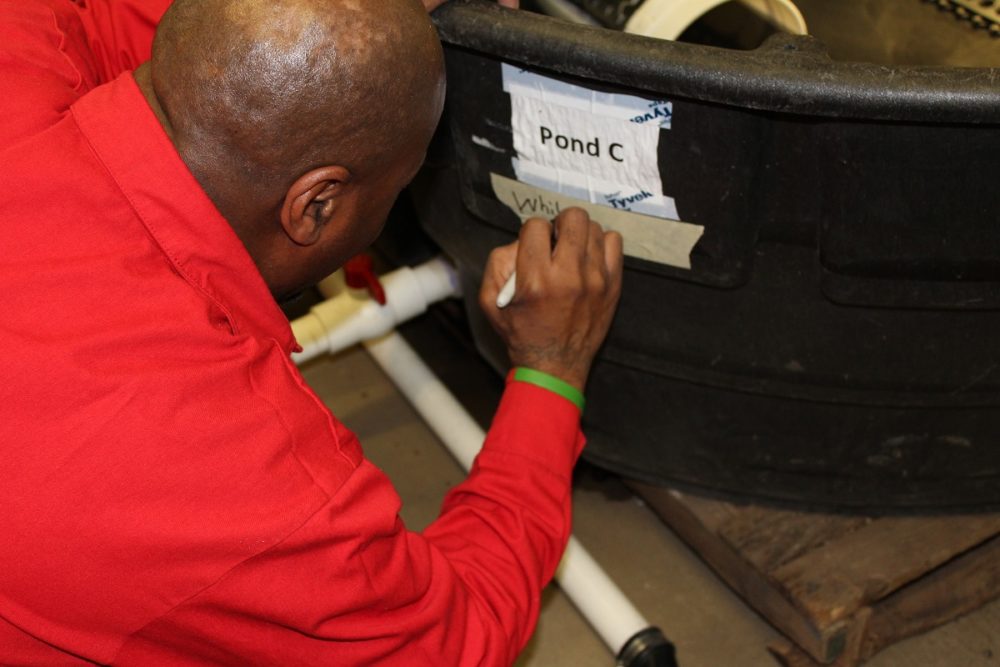
As in past seasons, the technicians caring for the turtles work diligently to ensure environmental conditions are stable in the program area along with ensuring daily feeding and tank cleanings are performed by protocol standards. With the addition of the terbinafine treatment, the technicians are now also administering the baths to the turtles, which gave the technicians the opportunity to learn and implement new care protocols. In addition to the hands-on turtle care, northwestern pond turtle rehabilitation technicians receive education on wetland ecology, turtle biology, and animal husbandry. A total of 10 credits are offered by The Evergreen State College for technicians who complete the educational portfolio.
Thank you to all the partners and technicians for making this work possible!