Text by Emily Passarelli, SPP Program and Outreach Manager

Emily Passarelli is a native of Rantoul, a small rural village in East Central Illinois. Growing up in Rantoul, Emily was very active in her local community. She joined just about every community group or school club she could, but her main passion was acting in theatre. Emily participated in every one of her high school’s plays and musicals, and even arranged for an additional play to get an extra opportunity on stage her senior year.
After high school, Emily went on to pursue her interest in theatre at Knox College in Galesburg, IL, but life had other plans for her. To earn a required science credit, Emily took Environmental Studies 101 and quickly realized she was exactly where she needed to be. This led her to become interested in how environmental issues disproportionately and consistently affect underrepresented populations. Emily then decided to double major in both Theatre and Environmental Studies.
After graduating from Knox in 2015, Emily began to pursue her Master of Environmental Studies (MES) degree at The Evergreen State College. Before arriving in Olympia, Washington, Emily accepted a position as the Green Track Coordinator at The Sustainability in Prisons Project (SPP). In this position, she coordinated the Roots of Success program and was the first coordinator to work on the Beekeeping program. One of her favorite moments was helping plan the first Beekeeping Summit at the Washington Corrections Center for Women in 2017. She also appreciated the opportunity to visit 11 of 12 Washington State prisons, as well as McNeil Island, and experience the distinctly different cultures of each facility. SPP helped Emily find her passion for developing and maintain partnerships with some of the most interesting and passionate people she’s ever met!
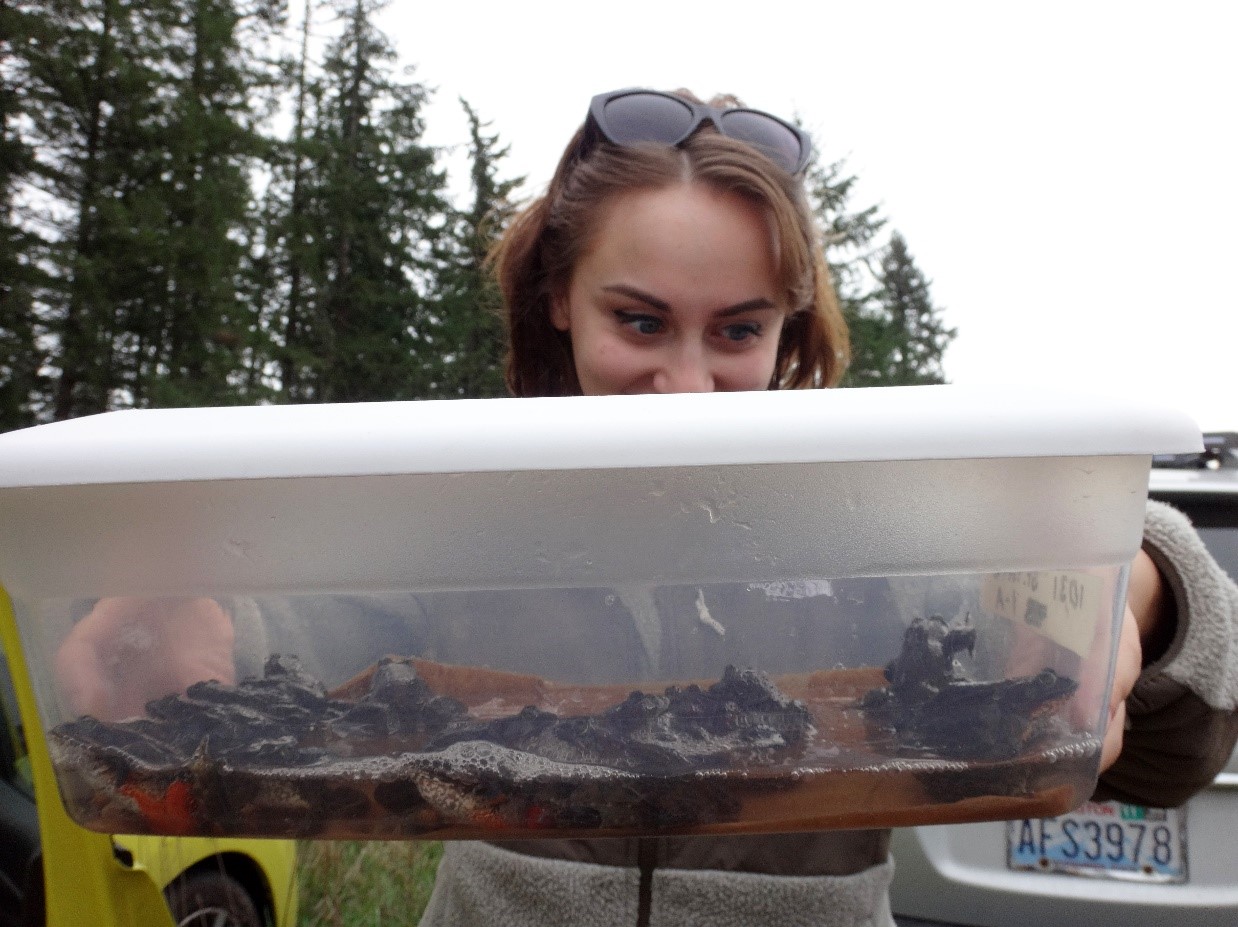
While in MES, Emily studied subjects such as Traditional Ecological Restoration and Environmental Education, and researched how a major earthquake in the Pacific Northwest would affect different populations. Her time at SPP also inspired her to focus her graduate thesis on the lasting effects of environmental education on formerly incarcerated individuals. The results of this research showed even more evidence to support the transformative effect of environmental education in prisons.

Once Emily completed her time at MES and SPP, she felt compelled to continue her work in corrections education however she could. Emily then took on the role of Education Program Coordinator at The Washington Corrections Center (WCC) through Centralia College. After two years working inside WCC in this role, Emily was promoted to Program Manager. She has loved the opportunity to work closely with DOC staff, custody, and leadership, support and expand all types of education for students, plan graduation events to celebrate student success, and work with the wonderful Education Department team at WCC.

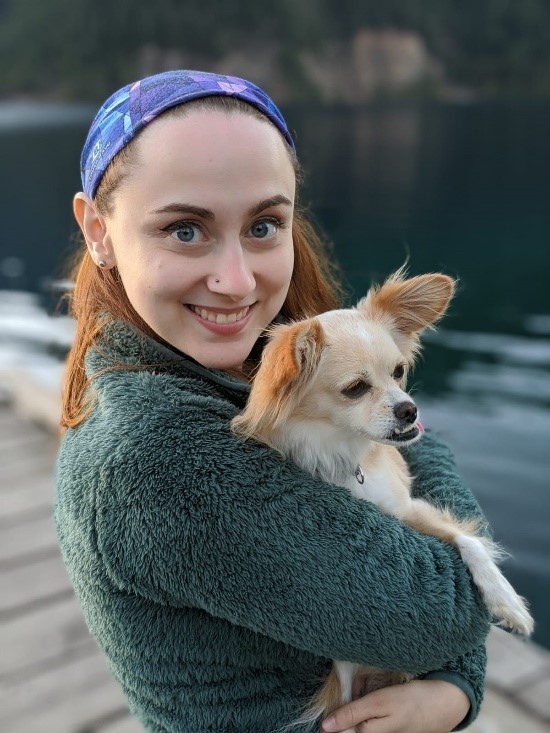
After 3 years at WCC, Emily has now returned to the SPP team as the new Program and Outreach Manager. She’s still pinching herself to make sure she’s not dreaming! Emily is so grateful for this opportunity and can’t wait to see what the future holds. In her free time, Emily loves spending time with her husband and sweet, shivery chihuahua.
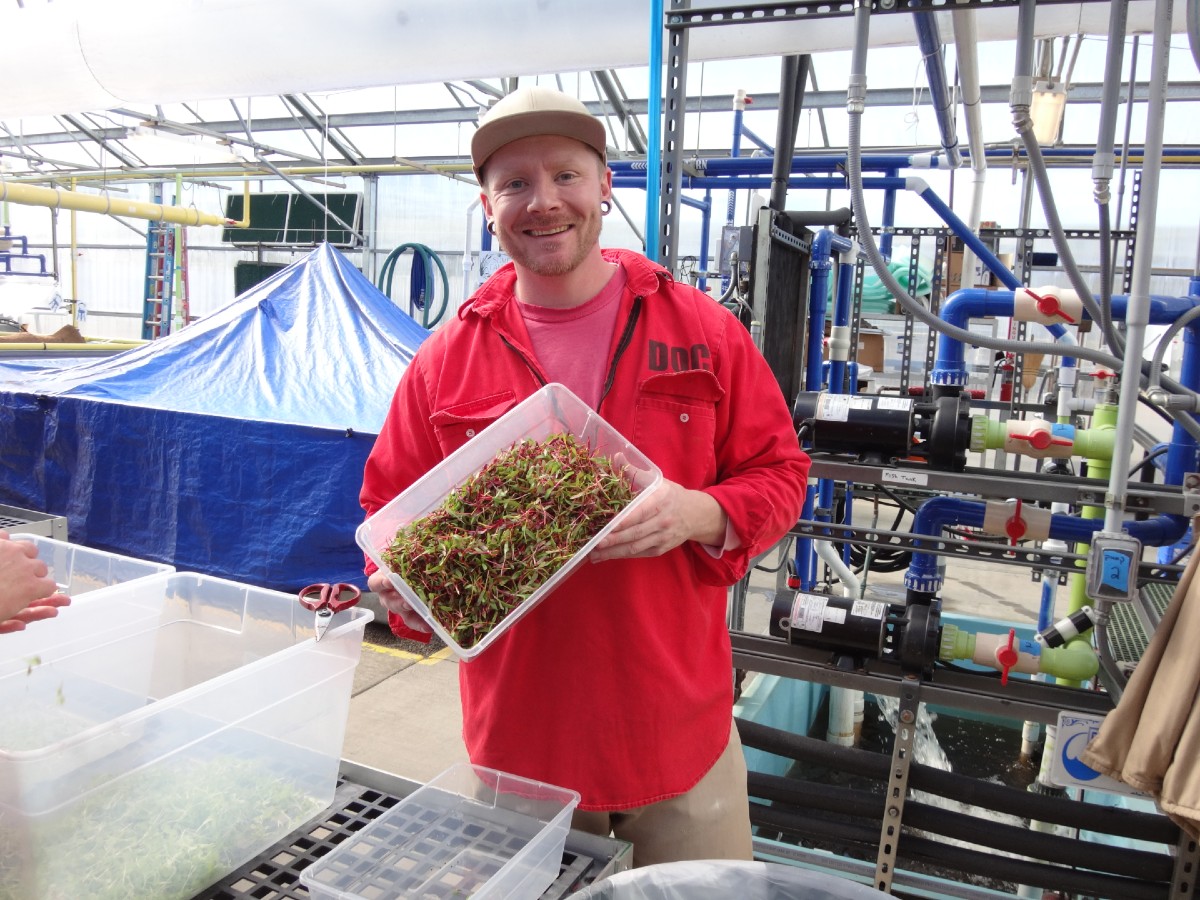


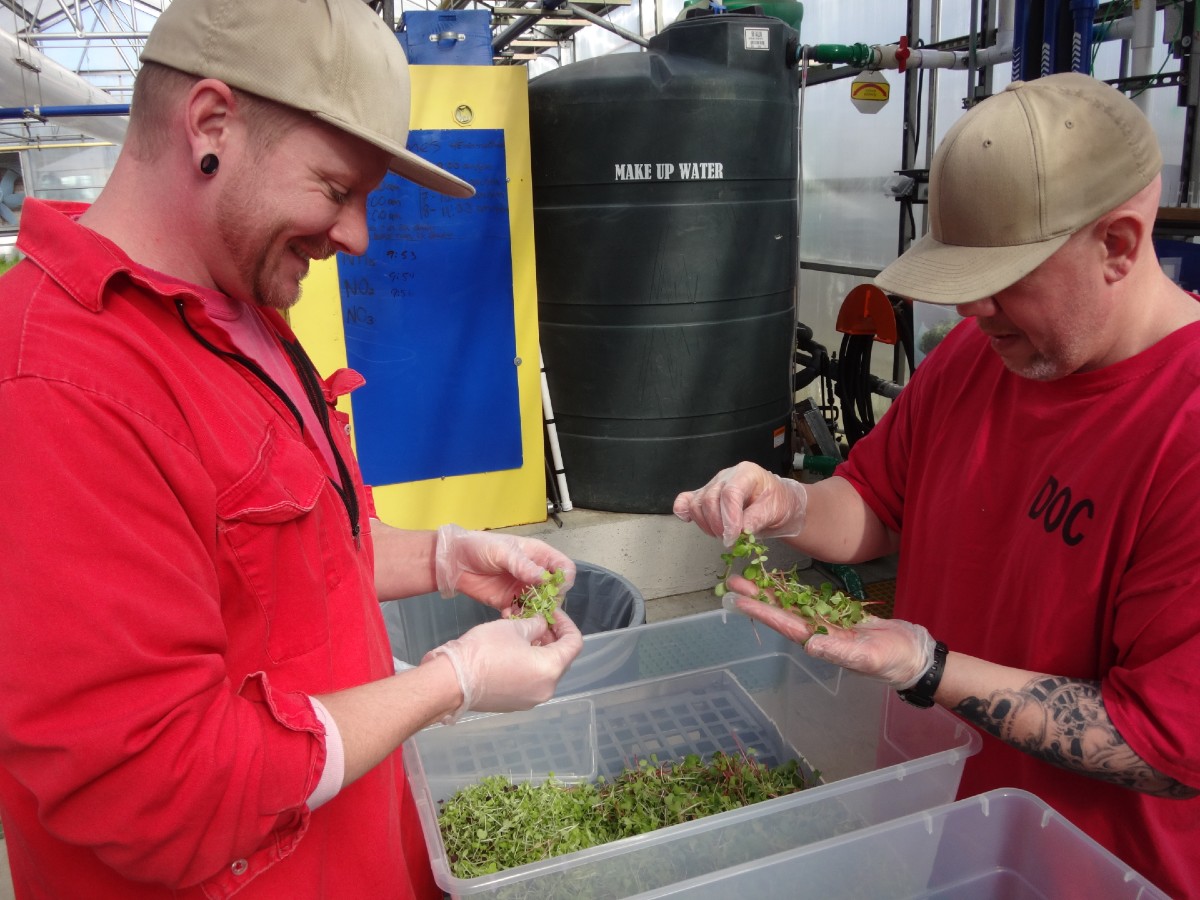



Once a year, SPP reports on all things sustainable happening in Washington State Prisons.