

Foundations in
Composting
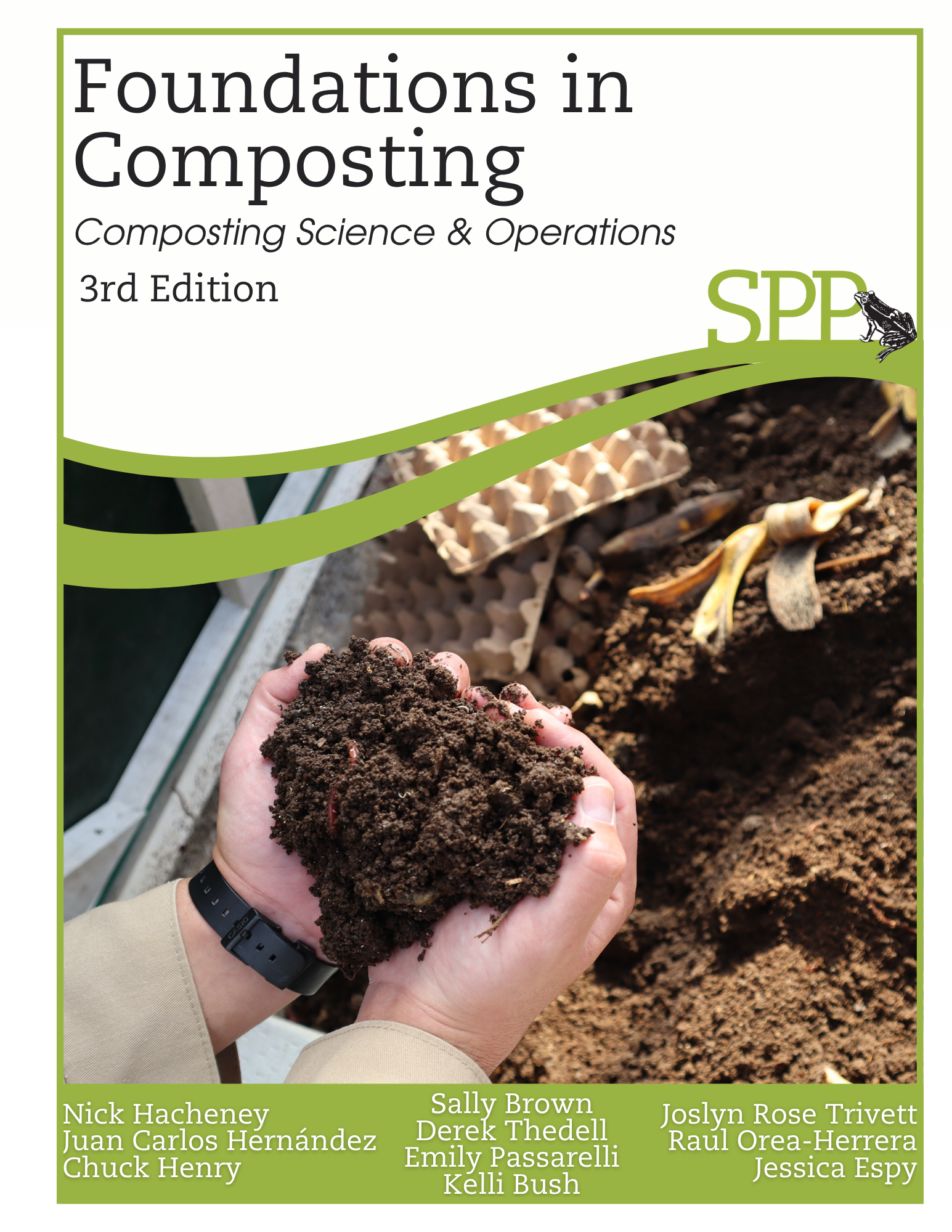
SPP staff at Evergreen worked with numerous partners to develop a 2-credit Foundations in Composting course that builds on previous work in Washington State prisons and aims to provide foundational knowledge of composting science, techniques, and applications. The course provides education and training for small to large-scale composting programs. The Foundations in Composting course is developed for the classroom or similar teaching and learning spaces with opportunities for hands-on learning. This course is flexible, designed for the corrections environment, and can be led by a peer facilitator, other instructor, or volunteer. Students who complete this class and all required components will receive a Document of Completion which can be used to obtain transferrable college credit from The Evergreen State College.
To learn more and download the course pdf, use this link: Foundations in Composting Curriculum, 3rd Edition






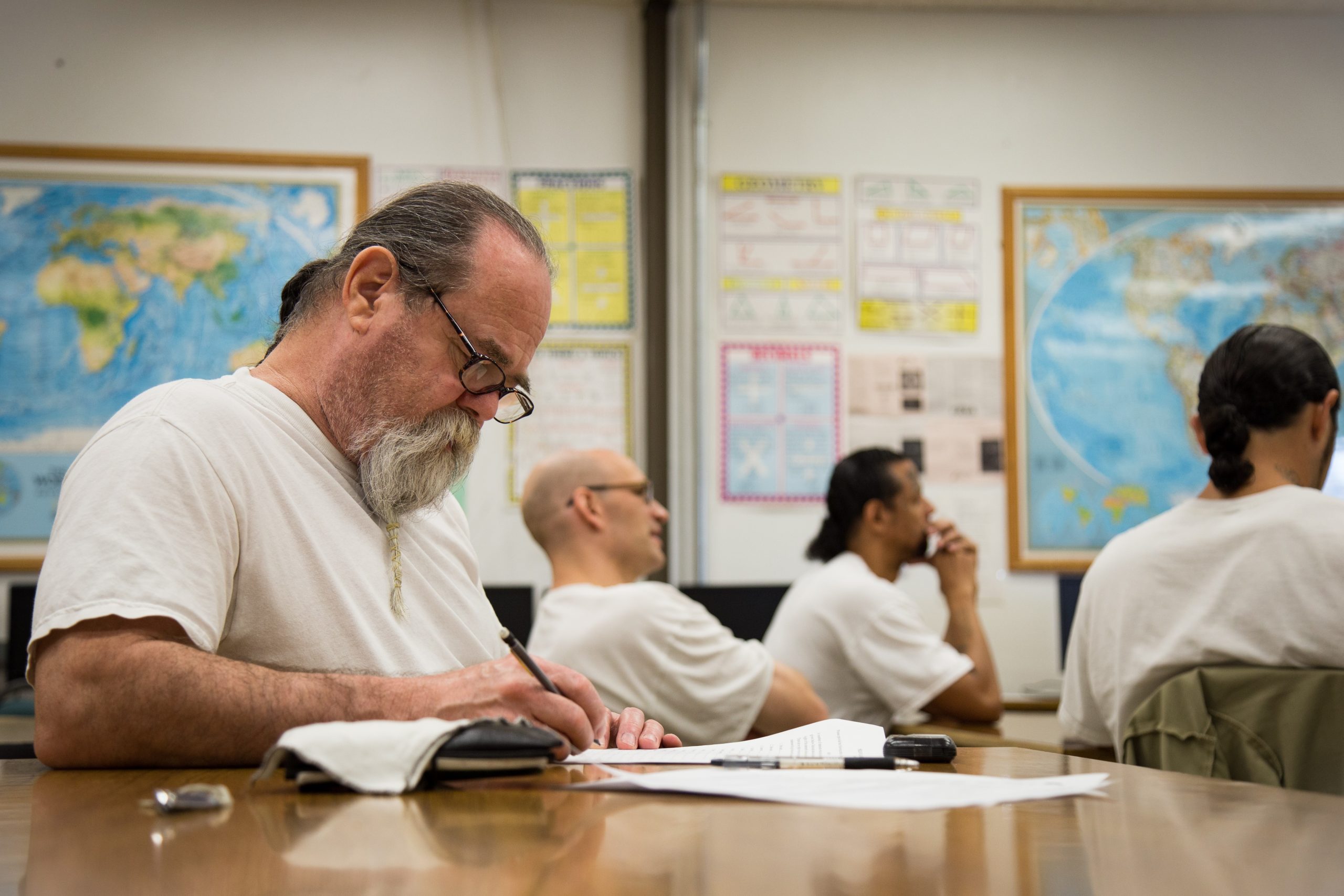
A student takes notes in a Foundations in Composting class. Photo by SPP Staff.
Course Structure
- Academic credit: Students can earn 2 credits in Introduction to Composting and Soil Science during incarceration through SPP’s Prior Learning Portfolio program at The Evergreen State College.
- Peer-led: Program partners create a plan for who will facilitate, who will clerk, and who will offer expertise on various topics.
- At least $50 for every student: That’s the printing cost for a 400-page coursebook and every student needs their own. SPP-Evergreen may be able to supply Washington State programs.
- 35+ hours of content. If students devote substantial time to homework outside class, the facilitators may reduce scheduled classroom time to ~15 hours.
- Supported by staff sponsors: DOC staff support classroom logistics, help track class completion, and provide SPP with student and facilitator feedback.
- Without electronic equipment needs : No PowerPoints or videos are included in the course.
- A variety of learning experiences: Classroom space may be indoors or outdoors (conditions permitting). Indoor time is used for group study and outdoor time provides hands-on practice. Ideally, students have access to composting systems as a group throughout the course.


Together, we imagine what’s possible
Sustainability thrives on community. Be part of a unique collaboration that bridges
education, environmental justice, and rehabilitation in real, tangible ways.



Once a year, SPP reports on all things sustainable happening in Washington State Prisons.