by SPP Ecological Conservation Nursery Coordinator Jacob Meyers

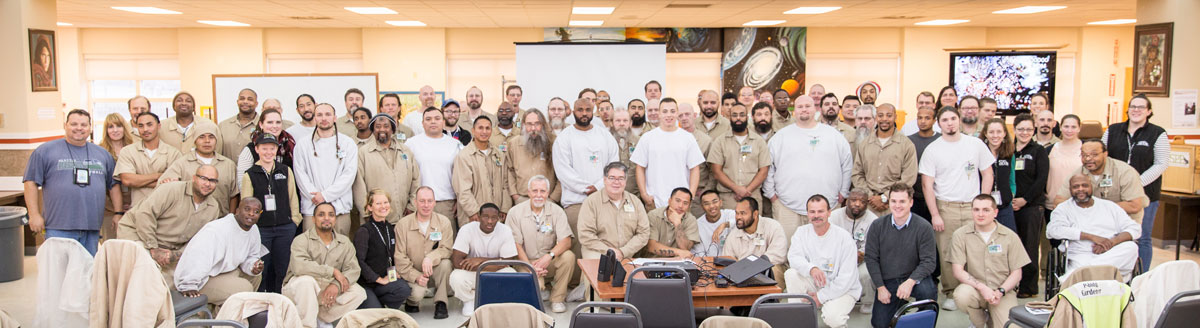
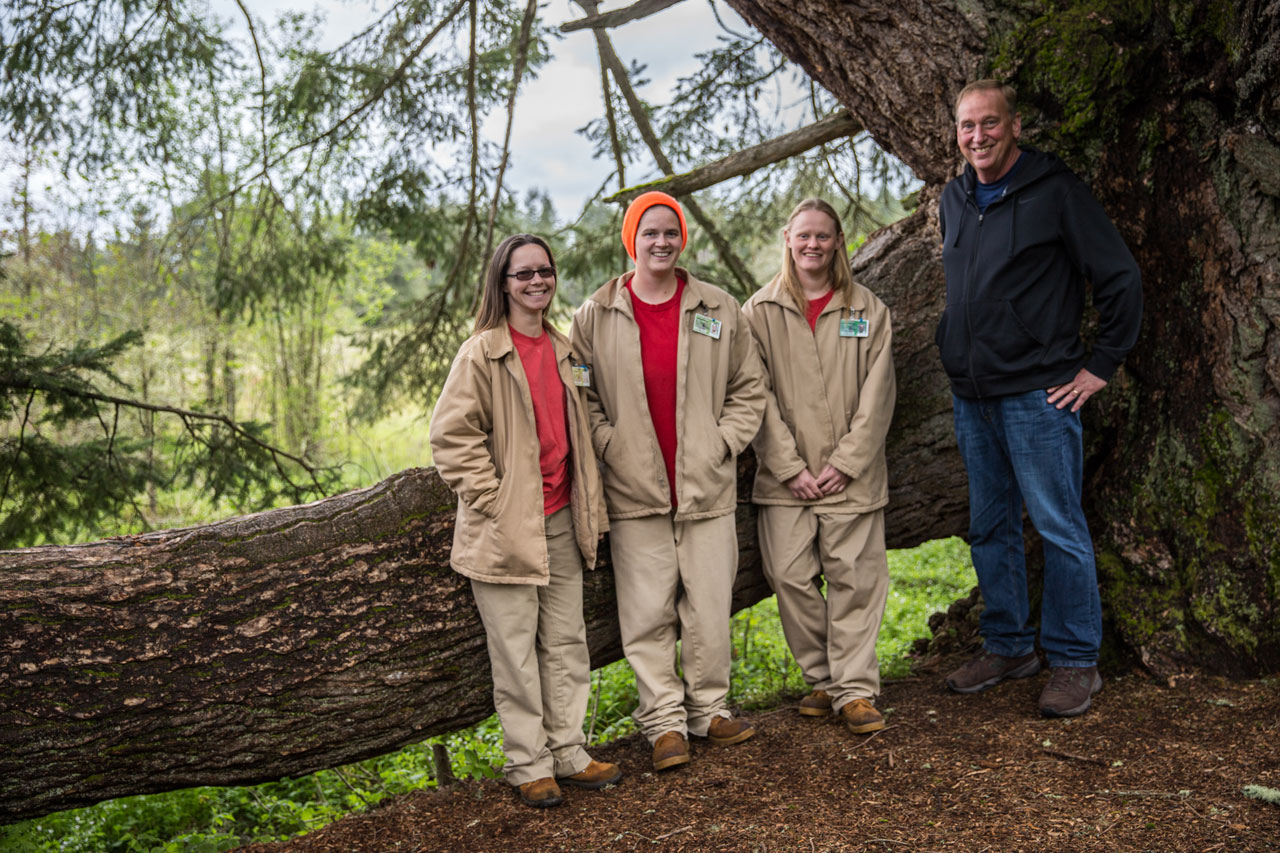
Jackson Federal Building ballroom. Photo taken from Washington Department of Corrections Facebook Page.

Many months ago, I attended eye-opening summit on recidivism. At the time, I was inspired. I was inspired by my coworkers, whom I was just getting to know and learning how much we had in common. I was inspired by all of the individuals from many different communities and counties, countless organizations and government agencies, and all working in some shape or capacity to reduce recidivism. And I was inspired by a formally incarcerated individual, Tarra Simmons, who had recently learned she was not going to be allowed to take the BAR despite graduating with honors from Seattle University’s law school, but was determined to continue fighting for that right. (She would subsequently get that right a few months later in November, 2017)

As a part of being a program coordinator for SPP, we are asked to write a few blogs every year. Writing about the summit, I thought, was the perfect opportunity. So I did. It took me a while, but I came up with a draft and shared it with my supervisor. He gave me some feedback.

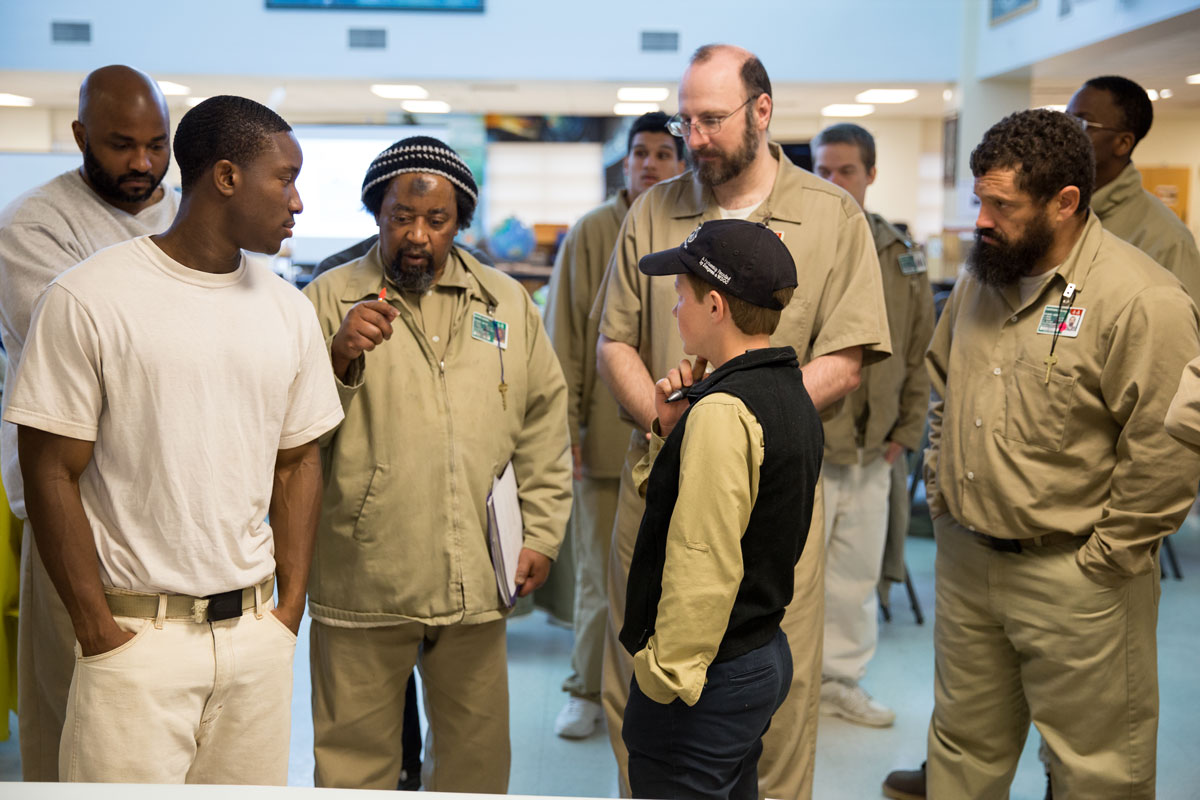
At SPP’s Climate Symposium on October 18, 2017, I am facilitating a workshop with inmates at Stafford Creek Corrections Center. My original blog still a work in process… Photo credit: Ricky Osborne

I never followed up to make the corrections or move the process forward. I kept putting it off and prioritizing other things. Before I knew it, it was January and I was meeting with my supervisor to review how I am doing in the position. The blog came up, and I couldn’t deny I had dropped the proverbial ball. I felt bad about it, like I was a somewhat of failure. Pretty much every one of my coworkers had written a blog in that time. A few wrote multiple!

However, to my supervisor’s credit, he didn’t overly lambast me or make me feel worse. He acknowledged that I had dropped the ball, and I could tell he was disappointed. But, he told me, “Well, we’re here now. What are you going to do about it? How are you going to move forward?”

Since then, a few things came in focus for me. This journey—while humbling—pales in comparison to the journeys and hardships our post-release incarcerated population must traverse. Additionally, redemption of any kind must involve some type of forgiveness. Usually when we make a mistake it costs other people something and we must ask forgiveness from them. Yet, often even more challenging, we must forgive ourselves to be able to move forward. My supervisor forgave my shortcoming and in turn afforded me redemption through a second chance and new strategy to get this blog done. In turn, I was able to put my own insecurities aside – my feelings of failure and inadequacy – and find the modicum of courage to get this done.

Overall, when reflecting on my time at SPP, the recidivism summit back in September, and the minor challenges of writing this blog, I know we as a society must do better to truly forgive our incarcerated population. To forgive their transgressions and shortcomings and allow them the possibility of redemption. I know it may seem silly to compare writing a blog to a criminal offense. But if I can attach so much worth and self-value to something so small (as many of us do), imagine the emotional and psychological journey incarcerated people might go through during their stay in prison and upon reentry?
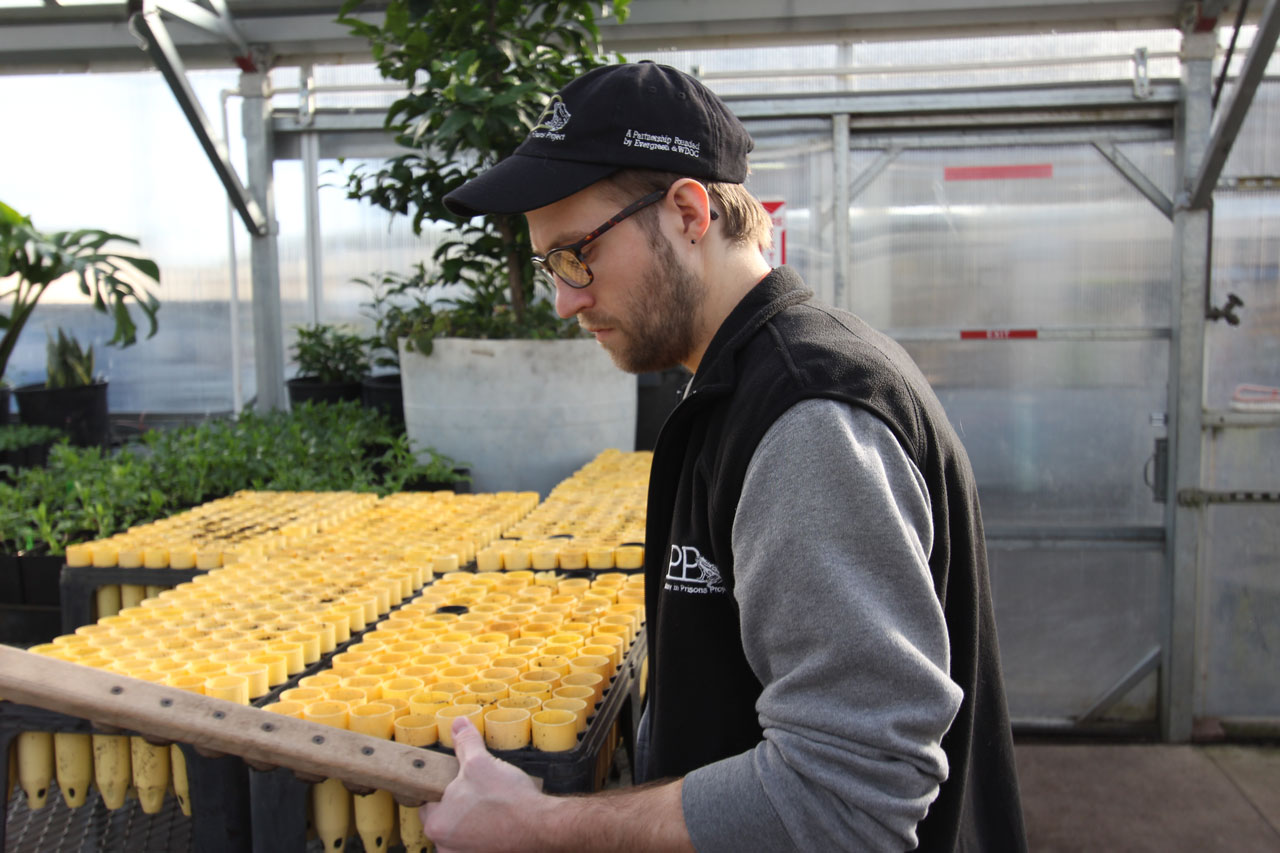
Very methodically compacting soil during a day of sowing on December 13th, 2017. Photo Credit: Bethany Shepler
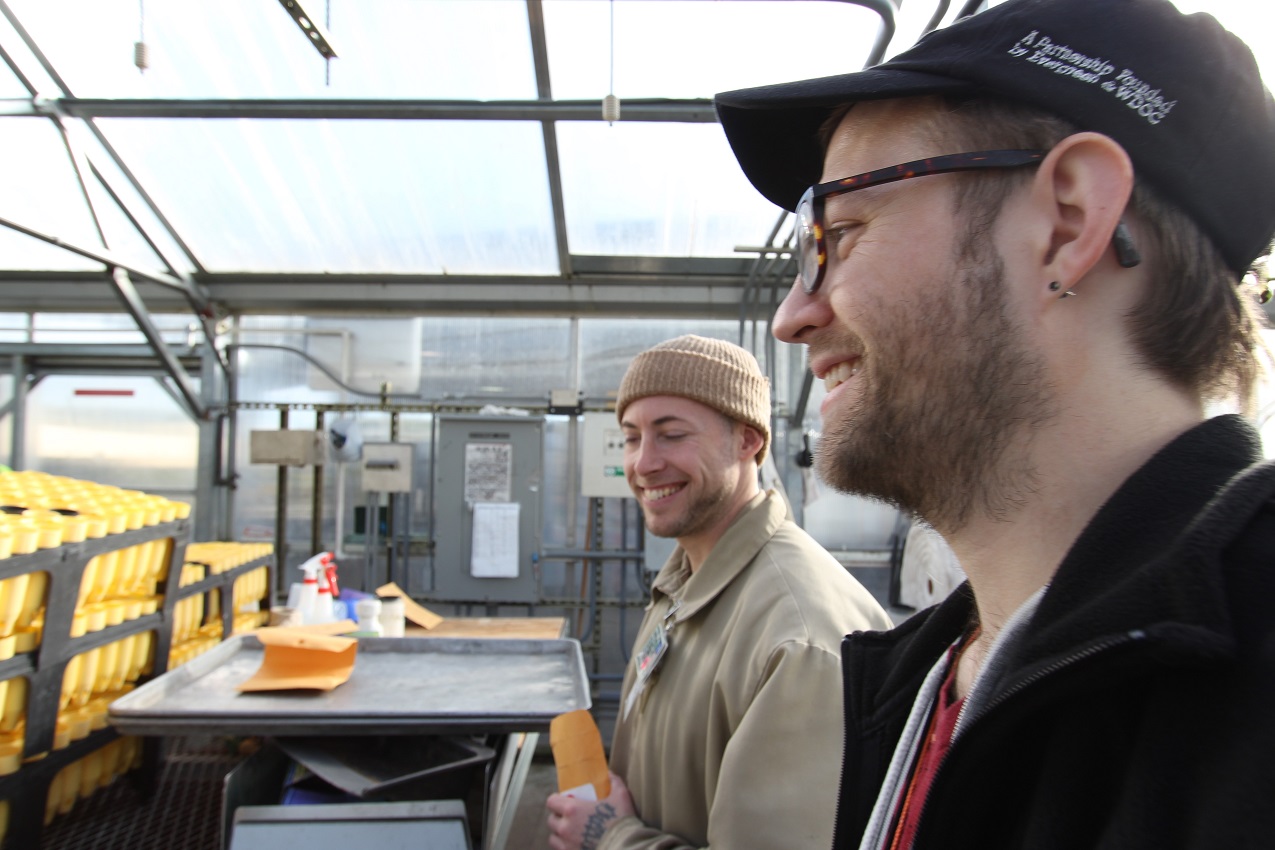
On December 13th, 2017, Aaron Bander (left) and I are discussing how the sowing process is going or possibly upcoming college football games. Photo Credit: Bethany Shepler

Next week, I will post my original reflections on the recidivism summit.
2019 update

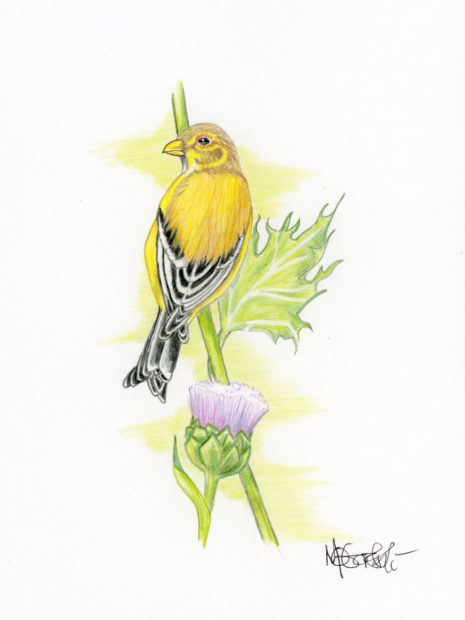
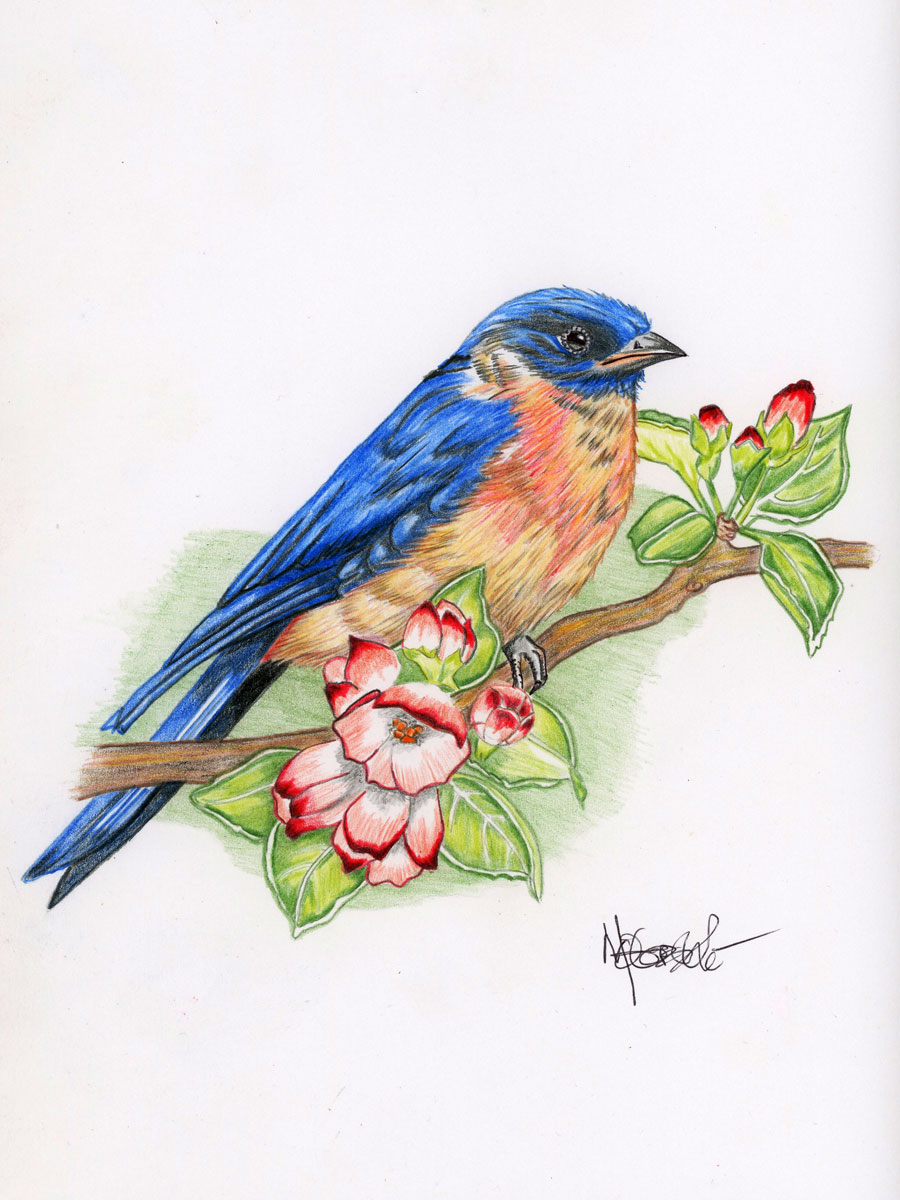
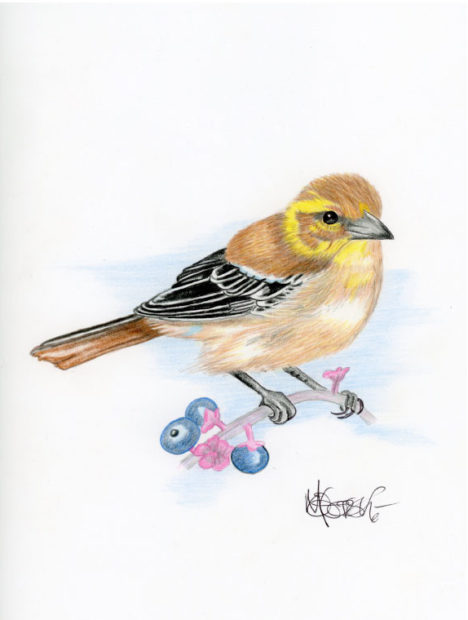
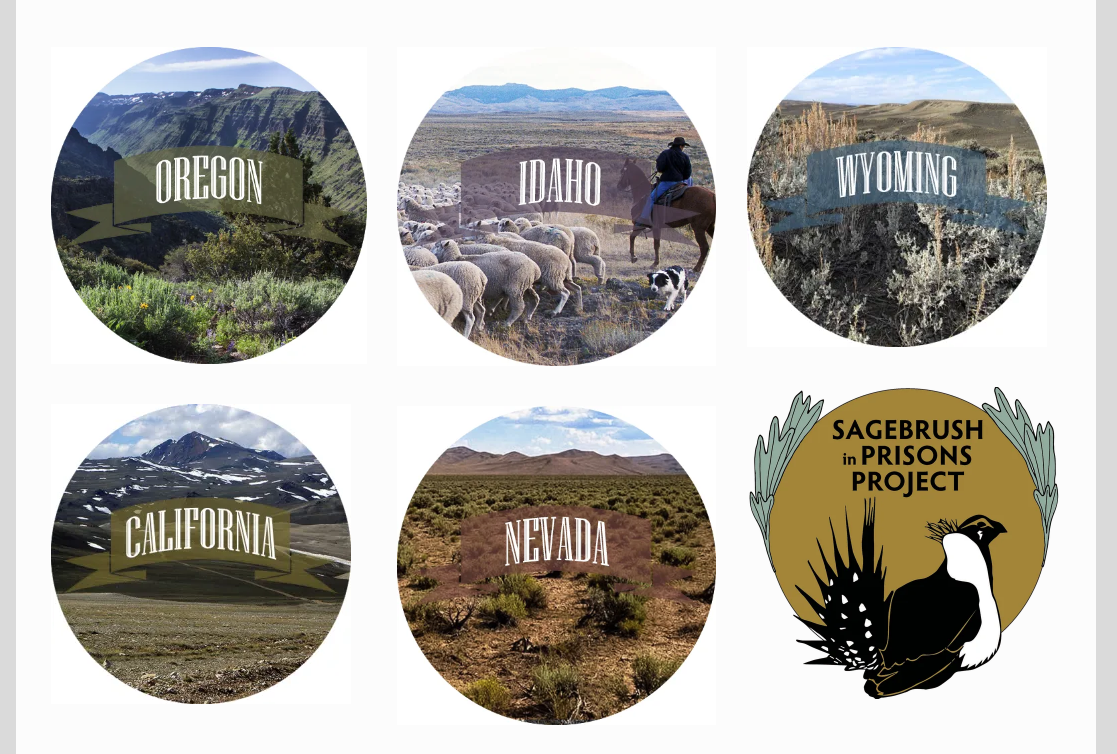
Mr. Jenkins’ logo lives on in the sagebrush programs. His writing and artwork (from this article) will be shown at the Northwest Nature and Health Symposium on October 30th. At Stafford Creek Corrections Center, Mr. Jenkins is one of the leaders for the Black Prisoners Caucus and has helped to create gardening curricula for both the BPC and SPP. We are grateful for his ongoing partnership.

In 2019, Mr. Jenkin’s logo looks better than ever! See https://appliedeco.org/programs/sagebrush/
One of the sage-grouse images Mr Jenkins created to develop the Sagebrush in Prisons logo.

2017

In addition to his work as a Sagebrush technician at the Washington State Penitentiary, Lawrence Jenkins is also an amazing artist. In fact Lawrence was the artist behind the logo for the Sagebrush in Prisons Project! This post is his letter of reflection following the Climate Change Symposium held at Stafford Creek Corrections Center this past October.

Hello World,

My name is Lawrence, I’m from Seattle, Washington and I’ve been in prison since the age of 18. I am now 29 years old and with 20 years left to serve in the state and a possible life sentence pending in the federal prison system. My crimes involve law enforcement and I have a long history of violent crimes/gang violence. Along with this I struggle with P.T.S.D., social anxiety, and depression. As unfortunate as all of this sounds, just imagine an entire neighborhood swarming with individuals just like me.

For now, let’s focus on the question: “How do we overcome race/class in order to do something about global warming, climate change, starvation, extinction, preservation/Ecological Conservation, disease, etc?” 

A “quick” drawing he made of three bee-eaters.

I would like to use myself for example…

I completely destroyed my life. I lost everything (which was not much), I even made attempts on my life. I hurt so many other lives. I was probably the most toxic living thing on this planet. Why? Because I wanted to make a difference so bad that I told myself that “right or wrong, I’m going to put a end to all of the bad that is happening to my family, my friends, and my community.” I had good intentions but the way I went about it was all wrong.

So when they tried to bury me, they didn’t know I was a seed [paraphrase from a Got Green presentation]. Unfortunately it took all of this for me to finally “germinate”. To finally realize just how loving, caring and compassionate I am. Just like every other violent gang member, drug dealer, or robber – trust and believe those individuals are willing to die in order to help their people. But the only difference between you and them is the very soil that you are rooted in.

With the global problem we face today, there’s no need to “up-root” people of different race/class in order to address this issue. Just amend the soil in each community just like you did in each prison.

Lawrence Jenkins at work in the sagebrush nursery last summer. Photo by Gretchen Graber.
Mr Jenkins made this drawing of a black-tailed jackrabbit to raise funds for Tapteal Greenway. This species of rabbit lives in a protected piece of land supported by Tapteal.
 

Text by Erin Lynam, Workshop Series Coordinator
Photos by Ricky Osborne

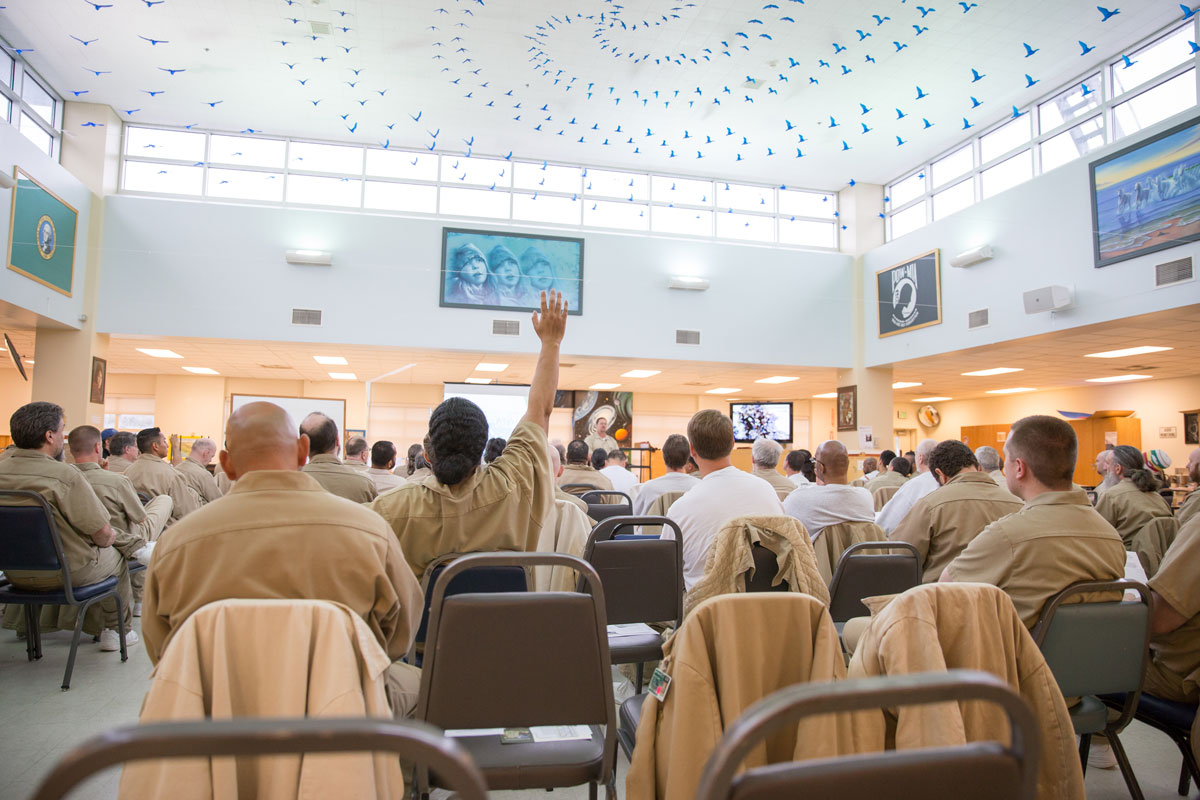
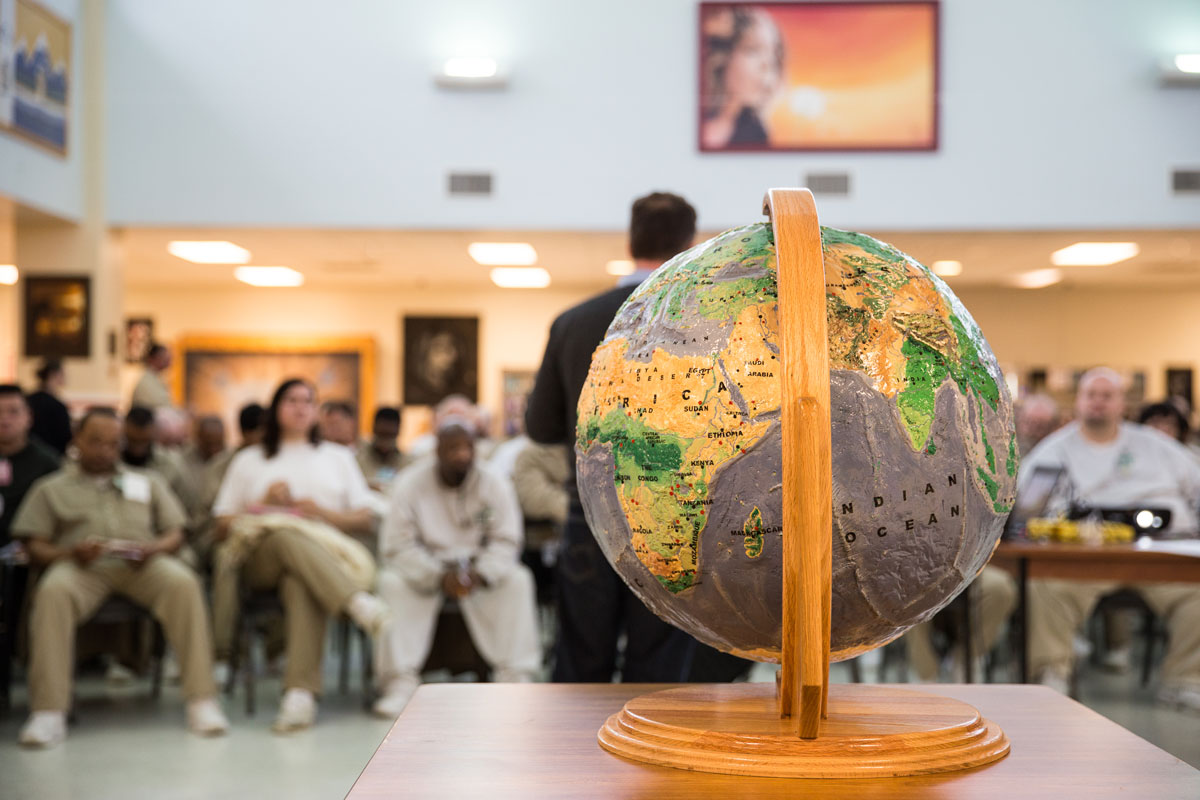
On October 18th at Stafford Creek Corrections Center, we held the first ever Climate Change Symposium in a prison. The five hour event brought together 91 environmental students, eight SPP-Evergreen staff members, five guest speakers, and five DOC staff members.

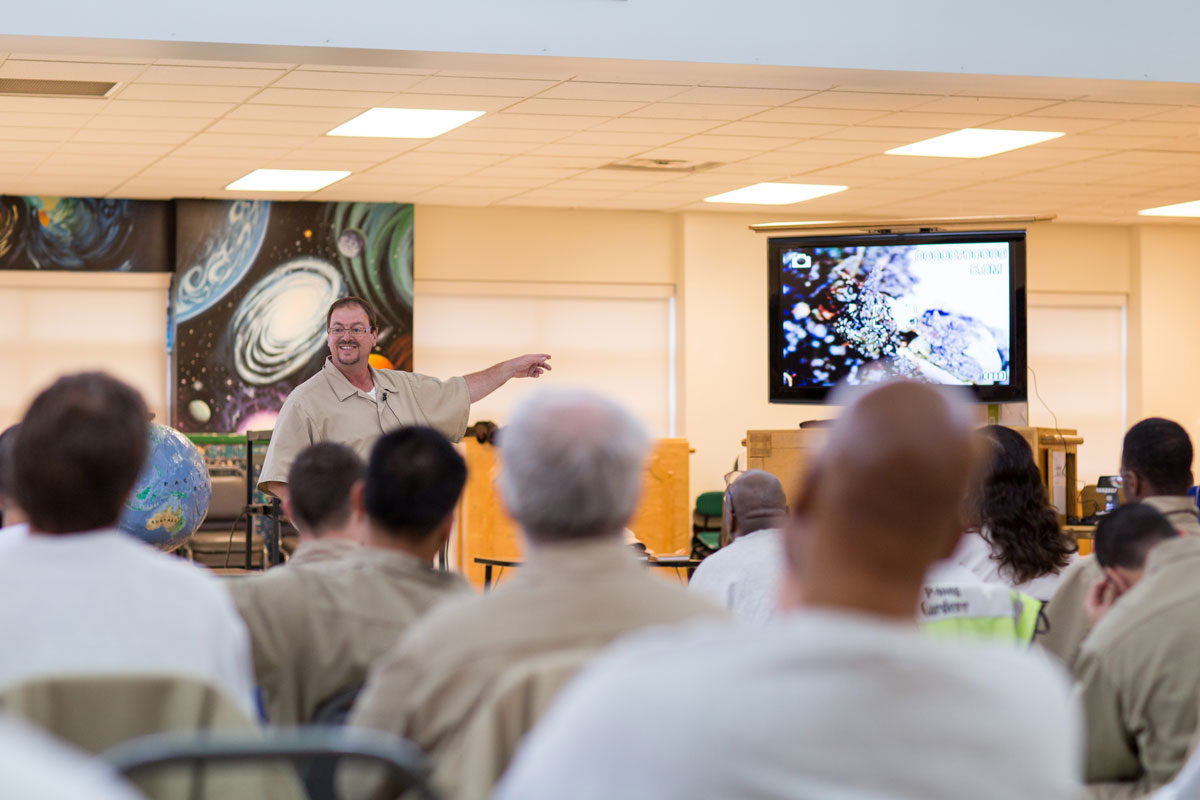
First up was Mike Burnham from Thurston Regional Planning Council (TRPC) who gave a presentation about region-wide planning and action for climate change resilience. Photo by Ricky Osborne.


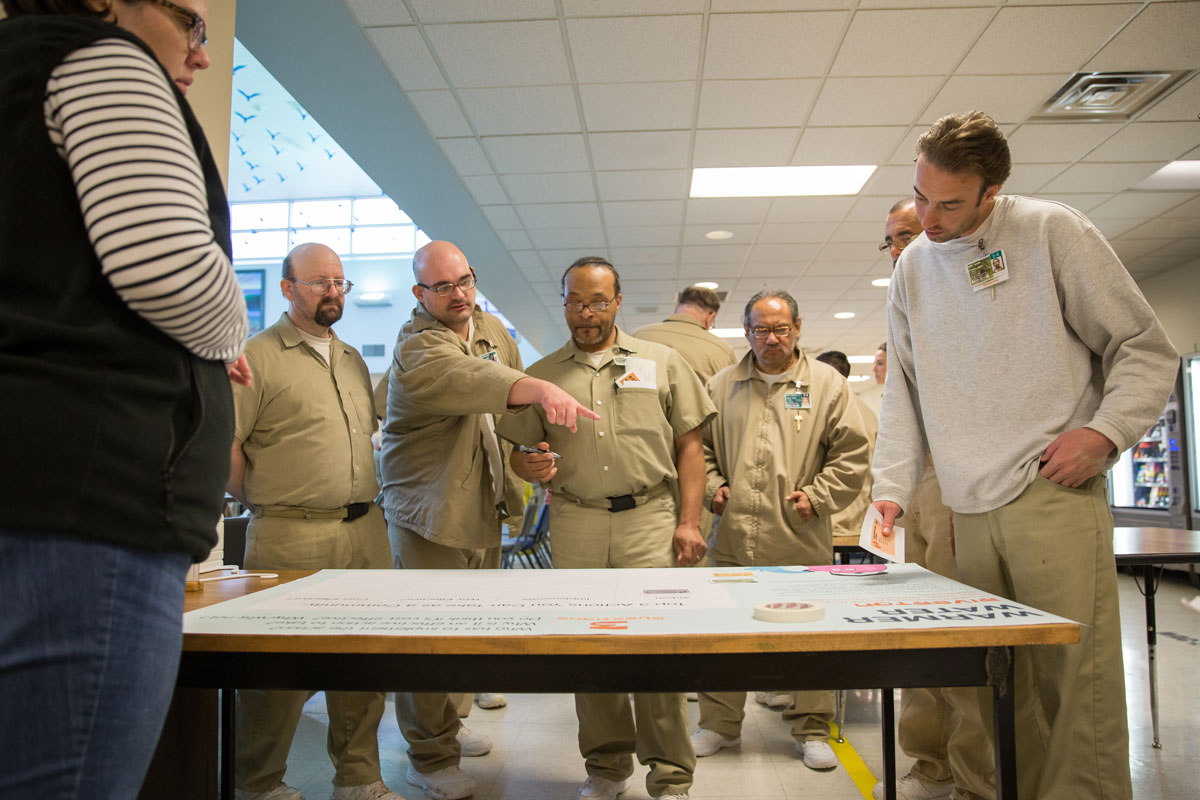
TRPC asked participants to break into small groups to play their board game, Resilience Road. Each group collectively selected and prioritized responses to a climate change challenge for a hypothetical community. This small group included SPP Co-Director Kelli Bush. Photo by Ricky Osborne.

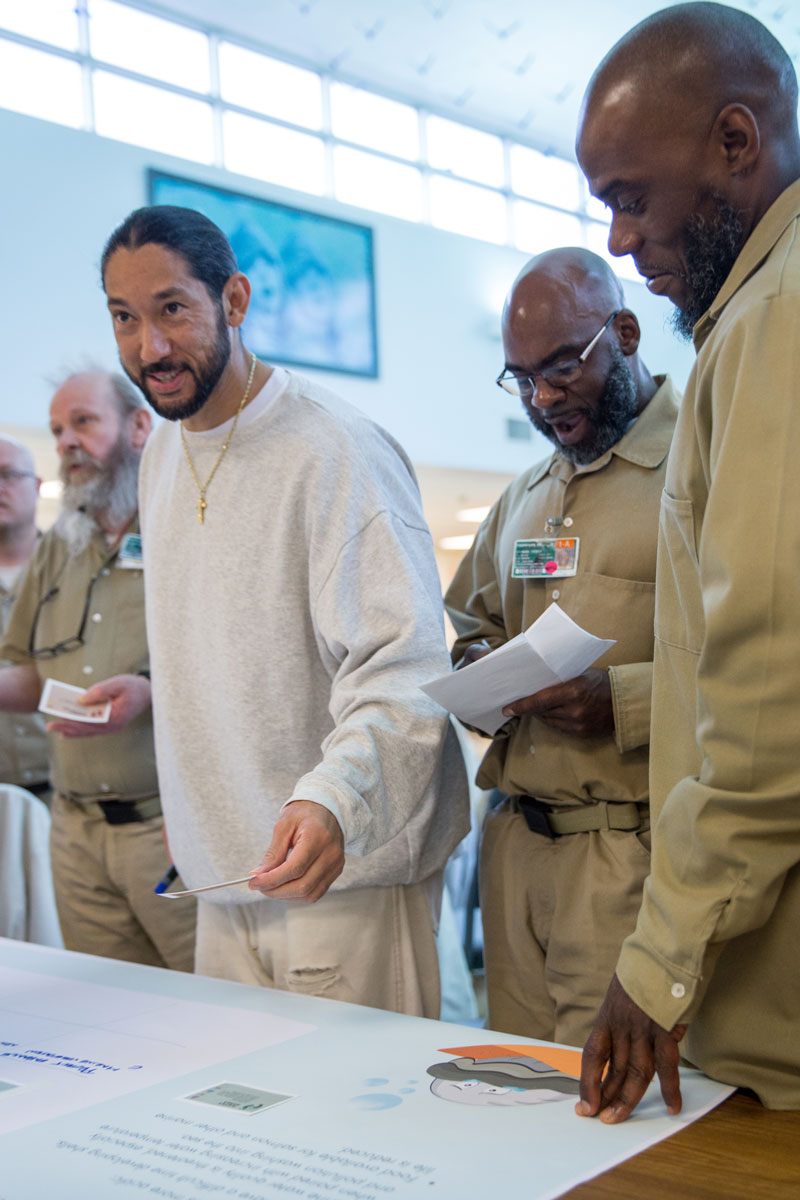
The exchange of ideas and insights was a highlights of the symposium. Photo by Ricky Osborne.

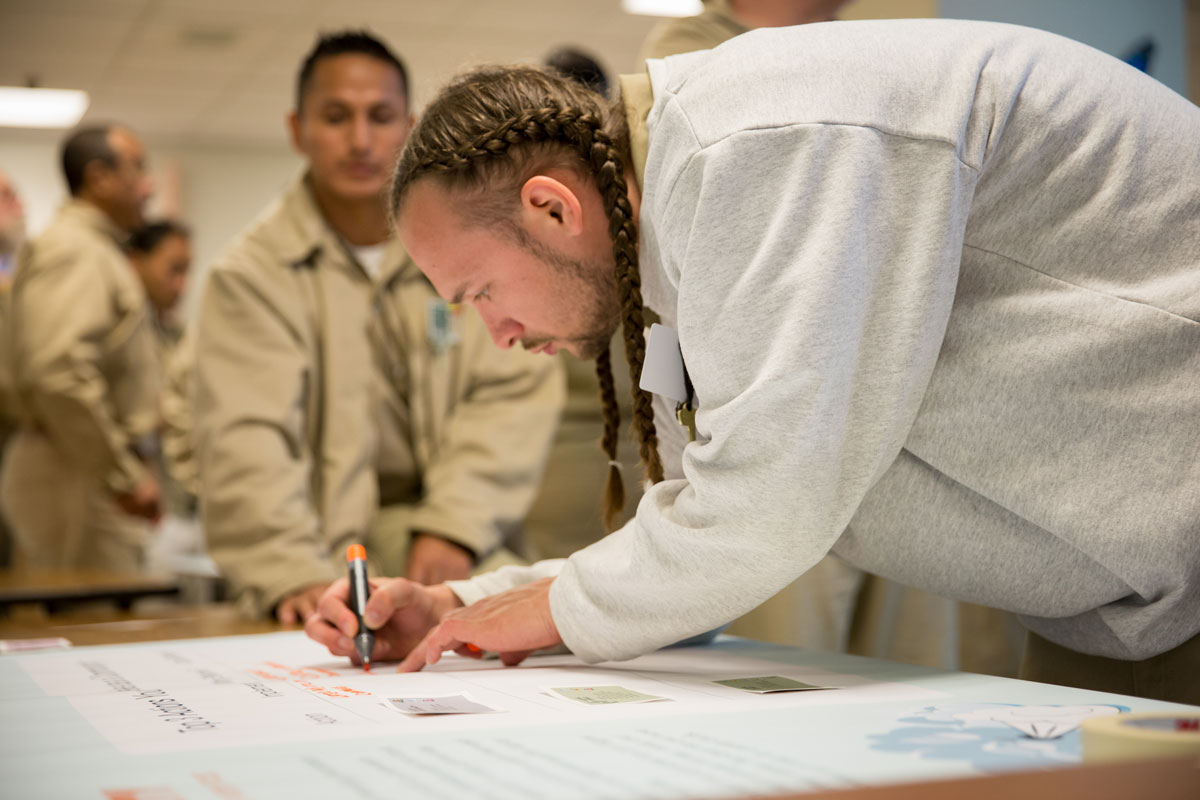
Students had the chance to show just how knowledgeable they are regarding environmental issues. Photo by Ricky Osborne.

But the game wasn’t all work, it was fun too! Photo by Ricky Osborne.

TRPC graciously donated a copy of Resilience Road to Stafford Creek Corrections Center so that students can continue to play and inform their work as environmental stewards. Photo by Ricky Osborne.

During the symposium students were given an opportunity to mingle and engage with guest speakers and SPP staff about climate change. Here they talk to SPP’s former Turtle Program Coordinator Sadie Gilliam. Photo by Ricky Osborne.

Next up was incarcerated environmentalist and longtime SPP participant, Toby Erhart. He shared what climate change means to him and what actions he’s taking to address it. He is an active member in the Ecological Conservation nursery program, beekeeping, and the composting program at SCCC. Photo by Ricky Osborne.

After staff, guests, and students had a lively discussion over a shared lunch, members of Got Green gave a presentation. Johnny Mao, Johnny Fikru, and James Williams of Got Green presented on Got Green’s social and environmental justice work in low income and communities of color. Photo by Ricky Osborne.

During Got Green’s presentation, James Williams stated that even though the students may be apart from their community, they were not forgotten and he considered them part of his community. This acknowledgement of oneness is an incredibly rare moment in the prison environment and was moving to witness. Photo by Ricky Osborne.

To wrap up the symposium and reflect on everything they learned, SPP invited the students to share what they found most important and what steps to take next. Photo by Ricky Osborne.
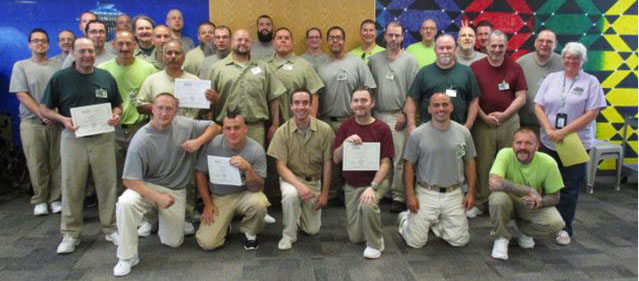
To have the opportunity to spend the day learning alongside individuals who are emphatically committed to keeping our planet healthy was inspiring. Photo by Ricky Osborne.


By Bethany Shepler, SPP Green Track Program Coordinator and
Eugene Youngblood, Roots of Success Master Instructor

Because Youngblood is a Master Trainer for Roots of Success, he can certify new instructors. Youngblood certified Reyes (left) and Berube (center) for the program at Coyote Ridge Corrections Center in 2015 and 2017; Reyes and Berube have facilitated 7 classes of Roots students. Photo by DOC staff.

I recently had the pleasure of meeting one of our Master Trainers for Roots of Success in Washington State, Eugene Youngblood. He recently relocated from Coyote Ridge Corrections Center to Monroe Correctional Complex and spoke at a class graduation in the Sustainable Operations Lab (SPL). I was struck by his words because, not only were they relevant to the people assembled, but to so many other people inside and outside prisons. He said “to give praise is to assign value and the people here need to know that they are worthy of value.” Too often in our world, people tend to believe they don’t have value. Perhaps Youngblood is on to something: Maybe by assigning value to those we’ve locked away, we can began to change the world.


A Roots of Success class graduation at CRCC in 2016; Youngblood is at the far right. Photo by Ricky Osborne.

I want to convey more of Mr. Youngblood’s wisdom, and have a letter from him to share:

The great George Bernard Shaw said, “The reasonable man adapts himself to the world: the unreasonable one persists in trying to adapt the world to him. Therefore all progress depends on the unreasonable man.”

Sustainability in prison sounds like an oxymoron to most people, I am sure. Prisons going green and prisoners being at the forefront of this movement sounds unreasonable, if not outright unbelievable. Yet, here we are at the Monroe Correctional Complex – Washington State Reformatory Unit, attempting to adapt the world to us, understanding that all progress depends on us… “The unreasonable”.

At our SPL (Sustainability Practice Lab) we are supervised and supported by Correctional Officer Jeffrey Swan, who has done an amazing job creating an atmosphere that is both professional and positive. In these positions, we are gaining valuable job skills and invaluable knowledge that will help us in our quest for successful reentry. I would be remiss if I did not say how much support we get for programs such as this from administration here. CPM Williams continues to be the unseen helping hand, extending to us the support we need to continue the work we are able to do, even when we don’t know how far she has gone to make this all possible. We have a thriving vermiculture program, along with wheelchair and bicycle restoration programs. The wheelchairs are refurbished and restored then donated to those in need across the world. Our last three shipments went to Ghana, Guatemala, and Thailand. The bicycles are refurbished and restored then gifted to local Boys & Girls clubs, YMCA, and to the local police department for their bike drive giveaway. On top of all this work, we are learning at the same time. We have just completed the second Roots of Success environmental literacy class for Monroe Correctional Complex.

The Roots of Success program has become a real agent of change for us in prison. If you want to help people change their actions, the first thing you have to do is help them change their thoughts. How do you help someone change his or her thoughts? You provide them with more information and then you give them the tools to turn that information into knowledge. Real change takes place from the inside out – what is under the ground produces what is above the ground. Thus, we have “Roots” of success and not “Fruits” of success. Environmental literacy helps us understand the impact we have on the environment. Roots of Success helps take that to the next level with prisoners; we are learning about ourselves and the impact we have, not just on our immediate environment (Prison) but the impact we have on our friends, families, our own communities, and ultimately our extended environment (Society). We are helping to make prison sustainable, helping to contribute to the sustainability of society, and all the while helping ourselves become better people in the process by taking what we know and turning that into what we do. In the true spirit of the quote by George Bernard Shaw, we are being “unreasonable” and thus producing progress in THE world and in OUR world as well.

Youngblood (far right) stands with another graduating class from CRCC, in 2014. Photo by SPP Staff.

By Rachel Friederich, DOC Communications
Originally published to Washington State Department of Corrections Newsroom

WALLA WALLA – More than 3.4 million people die each year from diseases caused by poor sanitation and unsafe drinking water, according to the World Health Organization.

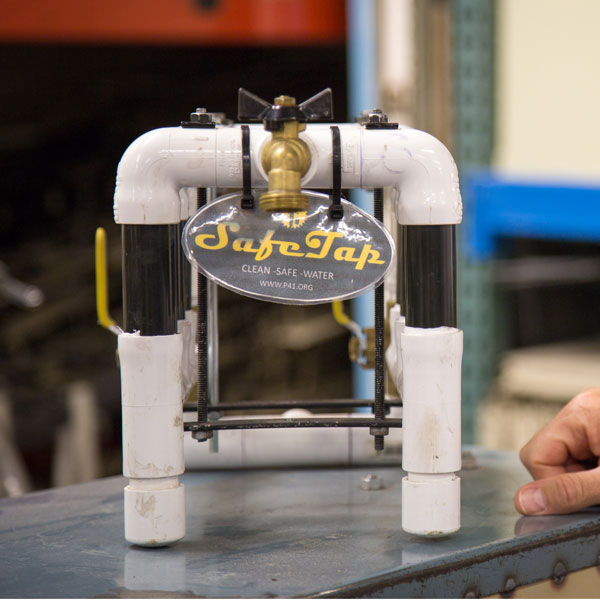
A group of inmates is doing their part to help change that. Inmate crews at the Washington State Penitentiary’s Sustainable Operations Lab (SPL) transform discarded and donated materials into usable items such as refurbished bicycles and furniture. The lab’s latest venture is a new type of water filtration system that will be sent to developing countries plagued with waterborne illnesses.

The SafeTap water filtration system is the brainchild of Andy Pierce, a former plumbing contractor who founded the California-based non-profit, Project 41. A volunteer humanitarian trip to Haiti following a deadly earthquake in 2010 inspired Pierce to start the organization. He’s taken subsequent trips to developing countries worldwide that often have hospitals and health clinics where water supplies are contaminated with harmful bacteria.His humanitarian work involved installing large-scale water systems. While he was doing this, he came up with the idea of creating a small, portable water filter made from pipes, fittings and valves. The filters are stuffed with hundreds of tiny straws made of a hollow-fiber membrane that blocks bacteria. The SafeTap devices can be connected to existing water filtration systems to produce clean water. His invention can filter up to three gallons of water per minute.“The Sustainable Operations Lab was just a huge answer to prayer,” Pierce said. “I was impressed with how well these guys have taken up the cause and keep pushing forward toward excellence and refining the (assembly) process. I’m really blown away.”

Impact of Partnership

The partnership between Pierce and the penitentiary resulted from a chance meeting at a national conference last year on environmental sustainability. The conference, held in Albany, Ore., had dozens of vendors from around the country. Pierce was one of the exhibitors.

Photo by Ricky Osborne.

Christopher McGill and Robert Branscum, two correctional specialists who oversee the penitentiary’s Sustainability Practices Lab, stopped at Pierce’s booth and learned about the SafeTap system. At the time, Pierce was running his plumbing business by day and building SafeTap units at his home by night, but production time was slow, McGill said. “That’s when I told him about the Washington State Penitentiary’s Sustainable Operations Lab.” For the past few months, a crew of nine inmates has been assembling SafeTap water filtration systems. Project 41 funds the materials with donations from a private foundation, Pierce said. Pierce ships the materials to the penitentiary. Inmates assemble the filtration systems. Once assembled, the systems are shipped to countries in need of clean water. Inmates have assembled more than 150 SafeTap units. Thirty-five of the units have been sent to various countries, including eight to Puerto Rico to assist with Hurricane Maria relief efforts. A total of 115 units are heading to the island of Tortola, in the British Virgin Islands and more are headed to the East African Republic of Uganda and Ghana.

Sustainable Operations Lab’s Kieth Parkins has transformed his life sentence into a life of service. He expresses his empathy for families needing clean water by building water purification systems that will meet their needs. Photo by Ricky Osborne.

While the SafeTap systems are saving lives overseas, the partnership is transforming lives at the penitentiary. Kieth Parkins, 49, is serving a life sentence for multiple robbery convictions. He knows his actions in prison won’t have any impact on the length of his sentence, but the project has helped him find something meaningful behind bars. “As a prisoner, I have always felt like I was a drain on society,” Parkins said. “But now, through the Sustainable Operations Lab and the water department, I am able to be a part of something that is literally saving lives throughout the world. In the process, it’s saving my life as well.” Editor’s note: The SafeTap water filtration system was also a finalist in the 2017 Chasing Genius contest, sponsored by National Geographic. Entrants competed against other groundbreaking humanitarian projects for a cash prize. Watch the video entry with inmate interviews.